In an era where urban sprawl and digital disconnection dominate our daily lives, the integration of natural elements into community spaces offers a transformative pathway toward meaningful human connection and environmental stewardship.

The concept of nature-infused design represents more than aesthetic enhancement—it embodies a fundamental shift in how we approach community building, urban planning, and collective well-being. By weaving natural elements into our shared spaces, we create environments that nurture both ecological health and social cohesion, fostering a united vision for sustainable living. This approach recognizes that our connection to nature is intrinsically linked to our connection with one another, forming the foundation for resilient, thriving communities.
🌿 The Foundation of Biophilic Community Design
Biophilic design principles serve as the cornerstone for creating spaces that honor our innate connection to the natural world. This design philosophy extends beyond simply adding plants to concrete structures; it encompasses a holistic approach that considers light, water, natural materials, and organic forms as essential elements of community infrastructure.
When communities embrace biophilic design, they experience measurable improvements in mental health, physical well-being, and social interaction. Research consistently demonstrates that exposure to natural elements reduces stress hormones, lowers blood pressure, and enhances cognitive function. These benefits multiply when experienced collectively, as shared natural spaces become gathering points where diverse community members interact organically.
The integration of living walls, green roofs, community gardens, and natural water features transforms sterile urban environments into vibrant ecosystems that support both human and non-human life. These elements create microclimates that regulate temperature, improve air quality, and provide habitats for pollinators and birds, reconnecting urban dwellers with the rhythms of nature.
Creating Accessible Green Gathering Spaces
Central to nature-infused community design is the principle of accessibility—ensuring that all residents, regardless of age, ability, or socioeconomic status, can benefit from green spaces. Universal design principles applied to parks, community gardens, and natural gathering areas remove barriers and create inclusive environments where everyone feels welcome.
Wide, smooth pathways accommodate wheelchairs and strollers while winding through native plantings. Raised garden beds enable gardeners with mobility limitations to participate fully. Multi-sensory gardens featuring fragrant herbs, textured plants, and wind chimes engage visitors beyond visual appreciation alone. These thoughtful design choices demonstrate that sustainability and inclusivity are complementary values, not competing priorities.
🤝 Strengthening Social Bonds Through Shared Stewardship
Nature-infused community spaces become most powerful when residents actively participate in their creation and maintenance. Shared stewardship transforms passive users into engaged stakeholders, building social capital alongside ecological health. Community gardening programs, tree-planting initiatives, and habitat restoration projects provide structured opportunities for neighbors to work side by side toward common goals.
These collaborative efforts create what sociologists call “weak ties”—casual relationships between acquaintances that form the connective tissue of cohesive communities. While strong ties with close friends and family provide emotional support, weak ties bridge social groups, facilitate information exchange, and build trust across diverse populations. A community garden plot becomes a conversation starter, a reason to learn someone’s name, a shared investment in place.
Youth engagement in nature-based community projects proves particularly valuable, developing environmental literacy and civic responsibility simultaneously. Young people who participate in habitat restoration, native plant identification workshops, or community composting programs develop both ecological knowledge and a sense of ownership over their community’s future.
Organizing Inclusive Nature-Based Community Events
Regular community events centered on natural spaces reinforce connections while celebrating seasonal changes and environmental achievements. These gatherings might include:
- Seasonal planting festivals that bring together experienced gardeners and curious beginners
- Full moon walks through community trails, building familiarity and safety through collective use
- Harvest celebrations that share the literal fruits of community labor
- Native plant exchanges where residents swap seedlings and gardening wisdom
- Outdoor storytelling evenings that activate green spaces after dark
- Wildlife monitoring sessions that engage citizen scientists in conservation
These events create predictable rhythms that structure community life around natural cycles rather than commercial calendars. They offer opportunities for intergenerational knowledge transfer, cultural exchange, and the development of local traditions rooted in place-based practices.
🏡 Designing Neighborhood-Scale Green Infrastructure
Effective nature-infused design operates at multiple scales simultaneously, from individual buildings to neighborhood networks to regional ecosystems. At the neighborhood level, interconnected green infrastructure creates corridors that support biodiversity while providing recreational and social benefits to human residents.
Rain gardens that manage stormwater become teaching landscapes where children observe water cycles firsthand. Street trees create canopy cover that reduces heat island effects while providing shade for spontaneous social interactions. Pocket parks transform underutilized lots into vital community assets that increase property values and neighborhood pride.
The key to successful neighborhood-scale design lies in viewing green spaces not as isolated amenities but as networked systems. Wildlife corridors that connect fragmented habitats also serve as pedestrian and cycling routes, making car-free transportation more pleasant and practical. Bioswales that filter runoff double as linear parks that define neighborhood boundaries while connecting residents to water management infrastructure typically hidden underground.
Retrofitting Existing Communities with Natural Elements
While newly developed communities can integrate nature-infused design from the outset, the greater challenge—and opportunity—lies in retrofitting existing neighborhoods. Tactical urbanism approaches demonstrate how small-scale, often temporary interventions can catalyze larger transformations.
Depaving projects that remove unnecessary asphalt create space for biodiverse plantings and stormwater infiltration. Parking lot islands transform from maintenance burdens into pollinator habitats. Blank walls become vertical gardens that cool buildings while beautifying streetscapes. These interventions often begin with grassroots initiatives, with community members identifying opportunities and advocating for change.
Municipal support amplifies these efforts through policies that incentivize green infrastructure, streamline permitting for community greening projects, and dedicate resources to ongoing maintenance. Public-private partnerships can address implementation at scales beyond community volunteer capacity while maintaining resident leadership and vision.
🌱 Cultivating Environmental Education Through Living Landscapes
Nature-infused community spaces serve as outdoor classrooms where environmental education happens experientially rather than abstractly. When children grow vegetables in community gardens, they develop understanding of food systems, seasonal cycles, and the patience required for growth. When families participate in stream restoration, they witness ecosystem recovery while learning about watershed health.
Interpretive signage that identifies native plants, explains ecological relationships, or highlights cultural connections to place enhances educational value without requiring formal programming. QR codes linked to audio guides, plant databases, or seasonal observation prompts extend learning opportunities while accommodating different learning styles and language preferences.
Community science initiatives that engage residents in data collection—monitoring bird populations, tracking phenological events, or assessing water quality—build scientific literacy while generating valuable ecological information. These projects democratize scientific knowledge and demonstrate that everyone can contribute to environmental understanding, regardless of formal education.
Building Climate Resilience Through Natural Solutions
Nature-infused design directly addresses climate adaptation challenges while building community capacity to respond to environmental changes. Urban forests mitigate heat waves that disproportionately affect vulnerable populations. Wetland restoration reduces flood risk while sequestering carbon. Native plantings adapted to local conditions require less water and maintenance as precipitation patterns shift.
Communities that invest in green infrastructure develop resilience not only through physical improvements but through the social networks strengthened during implementation. Neighbors who have worked together on environmental projects are better positioned to support one another during climate-related disasters. Shared knowledge about local ecosystems enables collective problem-solving as conditions change.
🎨 Integrating Art and Nature for Cultural Expression
The intersection of art, nature, and community creates powerful opportunities for cultural expression and identity formation. Murals incorporating native plants and local wildlife celebrate biodiversity while beautifying neighborhoods. Sculpture trails through natural areas create destinations that draw visitors while supporting local artists. Land art installations using natural materials blur boundaries between art and ecology.
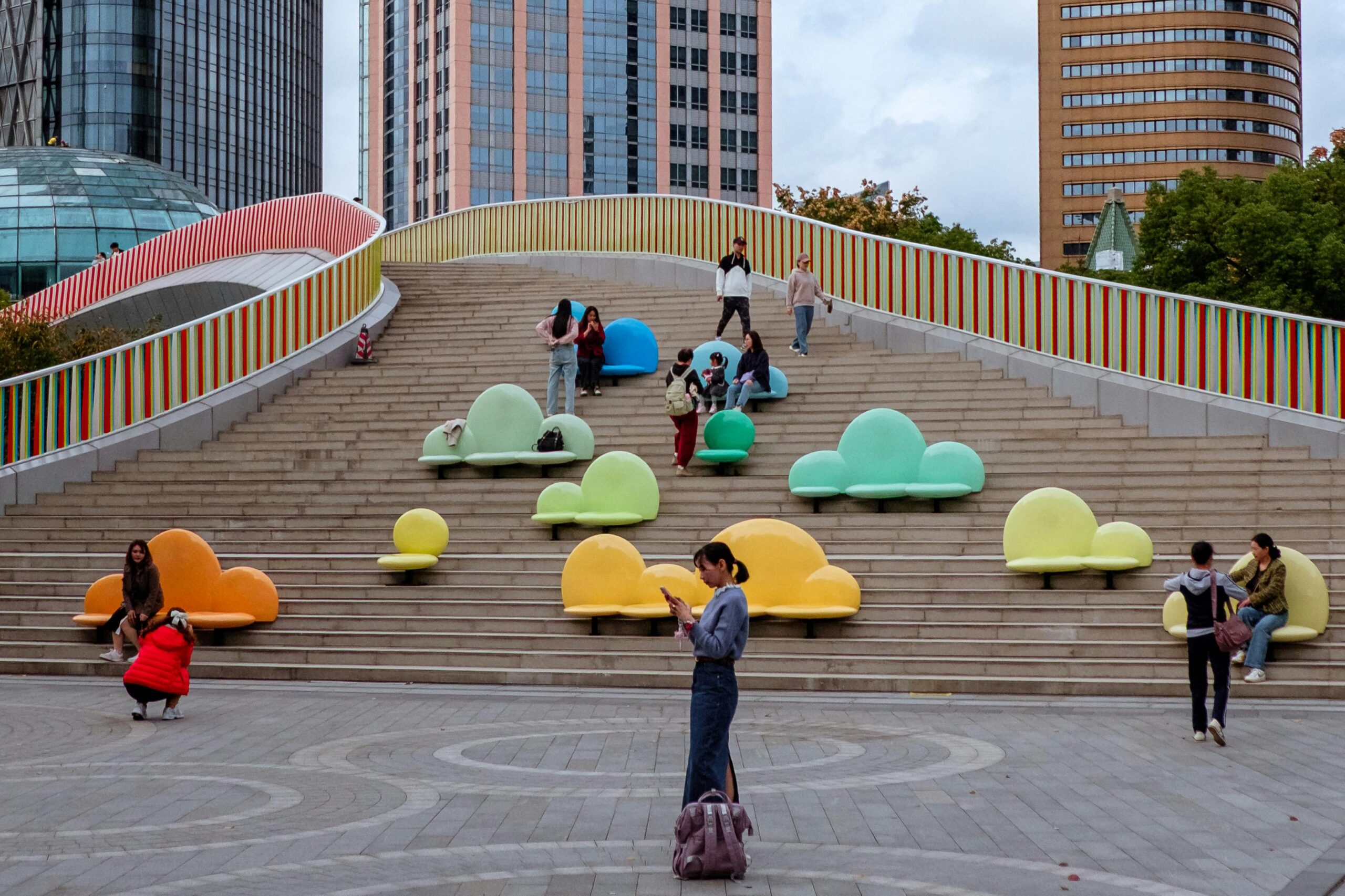
Community-created art projects that engage nature themes foster ownership and pride while making environmental values visible. Mosaic benches decorated with patterns inspired by local ecosystems provide functional seating and conversation pieces. Painted rain barrels transform infrastructure into public art. These projects often become landmarks that define neighborhood character and serve as reference points in community identity.
Cultural celebrations that honor relationships between specific communities and natural places recognize that environmental stewardship is deeply intertwined with cultural heritage. Indigenous plant knowledge, traditional agricultural practices, and place-based spiritual traditions offer wisdom for sustainable living that enriches multicultural communities when shared respectfully.
💡 Technology Supporting Nature-Connected Communities
While nature-infused design emphasizes direct sensory experience of the natural world, technology can support community connection and environmental stewardship when used thoughtfully. Neighborhood apps that coordinate volunteer workdays, share gardening tips, or announce harvest availability facilitate organization without replacing face-to-face interaction.
Digital plant identification tools enable curious community members to learn about species in local green spaces, building ecological literacy independently. Time-lapse cameras that document garden growth or habitat restoration create compelling visual narratives that communicate change over time. Social media platforms allow communities to share successes, inspire parallel efforts, and build broader movements for nature-infused design.
The key lies in using technology as a bridge to outdoor experience rather than a substitute for it. Digital tools work best when they enhance rather than replace direct engagement with nature and neighbors.
🌍 Scaling Impact Through Regional Networks
Individual communities implementing nature-infused design achieve local benefits, but regional networks of connected communities multiply impact through knowledge sharing, resource pooling, and advocacy coordination. Regional seed exchanges ensure genetic diversity while reducing costs. Watershed-scale habitat restoration efforts address ecological challenges that transcend municipal boundaries.
Communities at different stages of greening initiatives benefit from mentorship relationships, with established programs sharing lessons learned and emerging efforts bringing fresh perspectives. Regional conferences, site tours, and online forums create platforms for exchange that strengthen the broader movement while respecting local autonomy and context.
Policy advocacy becomes more effective when coordinated regionally, with multiple communities demonstrating demand for supportive legislation, funding streams, and regulatory frameworks that enable nature-infused design. Collective voice amplifies individual efforts and creates political will for systemic change.
🔄 Sustaining Momentum Through Adaptive Management
Long-term success of nature-infused community projects requires adaptive management approaches that respond to changing conditions, incorporate new knowledge, and evolve with community needs. Regular assessment of both ecological and social outcomes enables course corrections and celebrates progress.
Community feedback mechanisms ensure that green spaces continue meeting resident needs as demographics shift and priorities evolve. Youth advisory councils bring emerging perspectives into decision-making. Multilingual outreach ensures that increasingly diverse communities can participate fully. Flexible design allows spaces to transform over time rather than becoming static monuments to initial vision.
Succession planning for volunteer leadership ensures continuity as individuals’ capacity changes. Documenting institutional knowledge, mentoring emerging leaders, and distributing responsibilities across multiple people prevents projects from collapsing when key individuals step back. Building organizational capacity strengthens communities beyond any single initiative.
🌟 Envisioning the Nature-Connected Future
The transformation toward nature-infused community design represents more than environmental improvement or social programming—it embodies a fundamental reimagining of how we live together on this planet. Communities that prioritize green infrastructure, shared stewardship, and ecological connection model sustainable ways of living that address both environmental crisis and social fragmentation.
This vision extends beyond individual neighborhoods to encompass cities where nature is not an amenity for privileged areas but a right accessible to all residents. It imagines regions where habitat corridors connect protected areas through urban landscapes, supporting biodiversity while enriching human experience. It points toward a future where children grow up intimately familiar with native ecosystems, where neighbors know one another through shared care for place, where environmental health and community well-being are recognized as inseparable.
The path forward requires commitment from individuals, organizations, and institutions working collaboratively across sectors and scales. It demands resources, creativity, persistence, and the courage to reimagine possibilities. Most fundamentally, it calls us to recognize that building community and healing our relationship with nature are not separate projects but intertwined dimensions of creating a livable future. Every tree planted, every garden bed tended, every neighbor greeted represents progress toward that united, sustainable vision—one connection at a time.