Water has shaped human civilization for millennia, and today it offers unprecedented opportunities to transform our living spaces into sustainable, balanced environments that harmonize with nature’s rhythms.

The integration of water features into residential and commercial spaces represents more than aesthetic enhancement—it’s a strategic approach to creating microclimates that improve air quality, regulate temperature, and foster biodiversity. As climate challenges intensify and urban heat islands expand, understanding how to harness water’s natural properties becomes essential for eco-conscious living. Water features, ranging from modest fountains to elaborate pond systems, offer practical solutions for environmental regulation while reducing our carbon footprint and energy consumption.
💧 Understanding Microclimates and Water’s Natural Cooling Power
Microclimates are localized atmospheric zones where conditions differ from surrounding areas, sometimes dramatically. Water features create these beneficial pockets through evaporative cooling, a process that naturally lowers ambient temperatures without electricity or mechanical systems. When water evaporates, it absorbs heat energy from the surrounding air, creating refreshing zones that can be 10-20 degrees cooler than adjacent spaces.
This phenomenon occurs continuously with any exposed water surface, but moving water accelerates the process significantly. Fountains, waterfalls, and cascading features maximize surface area exposure to air, increasing evaporation rates and cooling efficiency. Research from environmental science institutions demonstrates that strategically placed water features can reduce nearby temperatures by up to 25 degrees Fahrenheit during peak summer conditions.
The cooling effect extends beyond immediate proximity. As cooled air circulates, it creates convection currents that distribute temperature benefits throughout surrounding spaces. This natural air conditioning system requires no fossil fuels, produces no emissions, and operates entirely on physics principles that have regulated Earth’s climate for billions of years.
🌿 Humidity Regulation for Healthier Living Environments
Modern homes and buildings often suffer from excessive dryness, particularly in climate-controlled environments where heating and air conditioning strip moisture from indoor air. Water features serve as natural humidifiers, releasing water vapor that maintains optimal humidity levels between 40-60 percent—the range where respiratory health, skin condition, and overall comfort peak.
Proper humidity levels prevent numerous health issues including dry skin, irritated sinuses, increased susceptibility to respiratory infections, and aggravated allergies. Indoor water features continuously replenish atmospheric moisture, creating breathing environments that rival expensive mechanical humidification systems without ongoing operational costs or maintenance complications.
The humidification effect proves particularly valuable in arid climates and during winter months when indoor heating dramatically reduces humidity. Plants surrounding water features thrive in these moisture-enriched zones, creating lush microenvironments that further enhance air quality through photosynthesis and natural filtration processes.
🏡 Strategic Placement for Maximum Microclimate Benefits
Location determines water feature effectiveness in microclimate creation. Southern exposures in northern hemisphere locations receive maximum sun exposure, making them ideal placements for cooling effects. Positioning water features near patios, decks, or frequently used outdoor spaces extends comfortable conditions where people actually spend time.
Consider prevailing wind patterns when planning installations. Breezes carrying moisture-laden air from water features distribute cooling and humidity benefits across larger areas. Placing features upwind from living spaces maximizes these circulation advantages, creating comfortable zones that encourage outdoor activity and reduce reliance on mechanical cooling systems.
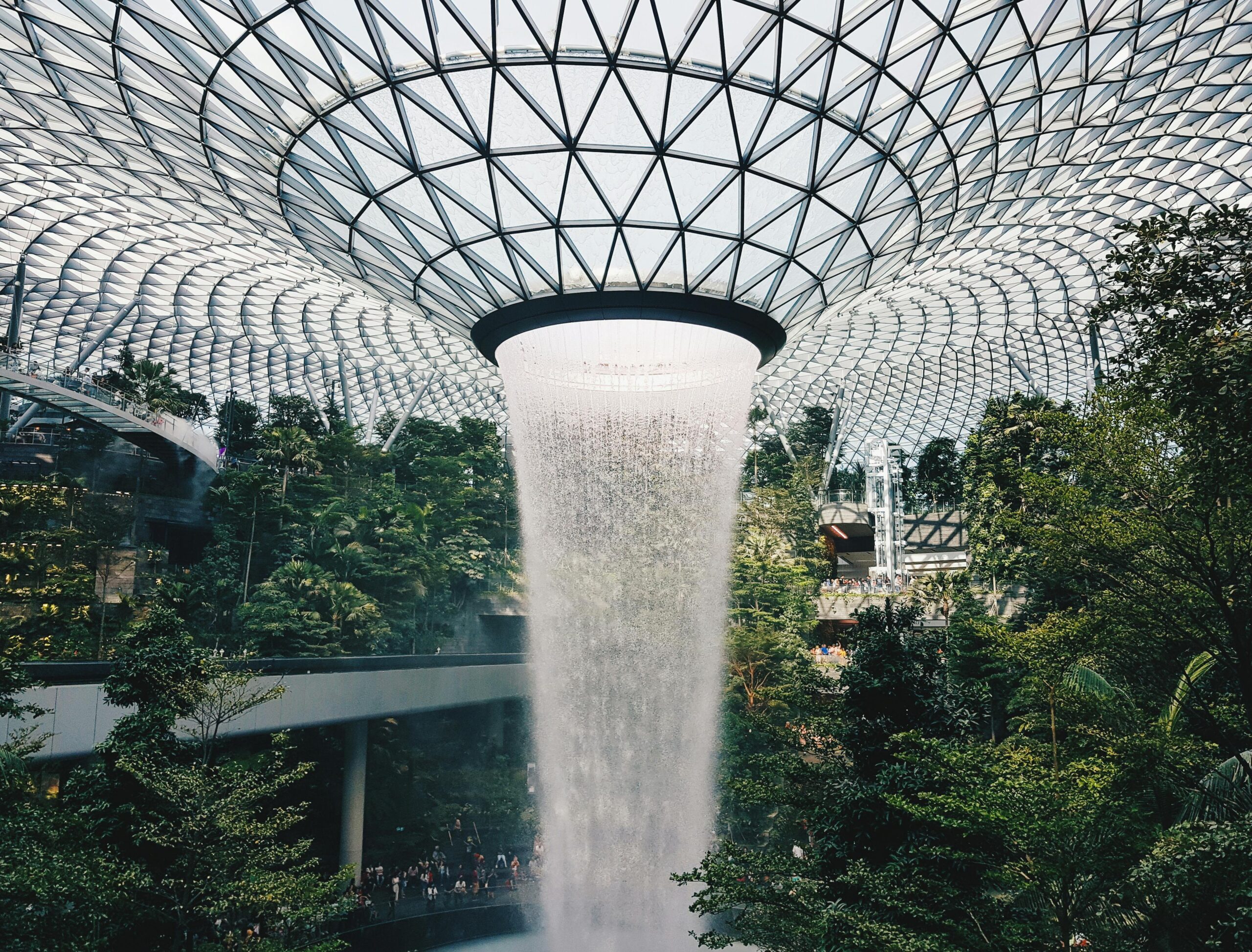
Vertical placement also matters significantly. Elevated water features cascade downward, creating maximum surface turbulence and evaporation. Multi-tiered fountains or waterfall designs amplify cooling effects while producing soothing sounds that mask urban noise pollution—an often-overlooked environmental benefit that enhances quality of life.
Indoor Water Feature Considerations
Interior installations require careful planning to prevent moisture damage while maximizing benefits. Position indoor water features away from electronics and moisture-sensitive materials. Ensure adequate ventilation to prevent condensation accumulation on windows and walls, particularly in cooler months when temperature differentials increase condensation risk.
Tabletop fountains, wall-mounted water walls, and freestanding features scaled appropriately for room dimensions provide microclimate benefits without overwhelming spaces. Interior water features excel in office environments, where they improve air quality, reduce stress, and enhance cognitive performance through white noise generation that improves concentration.
♻️ Sustainable Water Management and Eco-Friendly Practices
Environmental responsibility demands careful water resource management. Closed-loop systems recirculate water continuously, minimizing consumption to only evaporation replacement—typically 1-5 gallons weekly depending on feature size and climate conditions. This consumption rate rivals household plants while providing substantially greater environmental benefits.
Rainwater harvesting integration transforms water features into active components of sustainable water management systems. Collecting roof runoff into storage tanks that supply water features creates closed-cycle systems that reduce municipal water demand while putting natural precipitation to productive use. During dry periods, these reserves maintain water feature operation without drawing from stressed public supplies.
Greywater systems offer another sustainable option, particularly for larger installations. Treated water from sinks, showers, and washing machines can safely supply ornamental water features, diverting hundreds of gallons monthly from waste streams into beneficial reuse. Proper filtration and treatment ensure water quality remains suitable for landscaping and decorative purposes while conserving precious freshwater resources.
Energy-Efficient Pumping Solutions
Modern water feature pumps consume remarkably little electricity, with efficient models using 5-50 watts depending on flow requirements—comparable to LED light bulbs. Solar-powered pumps eliminate even these modest energy demands, operating entirely on renewable power that costs nothing and produces zero emissions.
Solar water feature systems include dedicated photovoltaic panels that power pumps directly during daylight hours when cooling benefits matter most. Battery backup options enable 24-hour operation, maintaining water circulation that prevents stagnation while providing continuous microclimate regulation. As solar technology advances and costs decline, these systems become increasingly accessible for mainstream residential applications.
🦋 Biodiversity Enhancement and Ecosystem Development
Water features attract diverse wildlife, transforming yards into vibrant ecosystems that support local biodiversity. Birds visit for drinking and bathing, controlling insect populations while adding dynamic natural activity to outdoor spaces. Beneficial insects including dragonflies, damselflies, and pollinators congregate around water sources, creating balanced predator-prey relationships that naturally manage pest species.
Pond ecosystems develop complex food webs supporting amphibians, aquatic insects, and beneficial bacteria that process organic materials. These living systems create educational opportunities for children while reconnecting residents with natural processes often absent from urban environments. Watching tadpoles transform into frogs or dragonfly nymphs emerge provides tangible connections to life cycles and ecological interdependence.
Native aquatic plants enhance biodiversity benefits while improving water quality through natural filtration. Species like water lilies, rushes, and native grasses provide habitat structure, oxygenate water, and absorb excess nutrients that might otherwise promote algae growth. These plants require no fertilizers or pesticides, maintaining themselves through natural processes that benefit entire ecosystems.
🌡️ Temperature Moderation Throughout Seasons
Water’s thermal mass properties provide year-round microclimate benefits beyond summer cooling. Large water volumes absorb heat during warm periods and release it gradually as temperatures drop, moderating temperature fluctuations that stress plants and reduce outdoor comfort. This thermal buffering creates more stable environments that extend growing seasons and protect temperature-sensitive plantings.
In spring and fall, water features moderate frost risk by releasing stored heat during cold nights. Gardeners strategically position tender plants near ponds and fountains to exploit these protective microclimates, gaining weeks of additional growing time for vegetables and ornamentals that would otherwise succumb to early or late-season freezes.
Winter operation presents special considerations in freezing climates. While some features winterize completely, others maintain reduced operation that prevents total freezing, preserving aquatic ecosystems and continuing to provide visual interest and humidity benefits. Heated water features create dramatic steam effects during cold weather while maintaining open water that serves wildlife when natural sources freeze solid.
🏗️ Design Styles for Every Aesthetic and Budget
Water feature design spans an enormous range, accommodating every architectural style and budget level. Formal European-inspired fountains with classical statuary suit traditional homes, while naturalistic pond designs with irregular shapes and native plantings complement contemporary and rustic aesthetics. Japanese-inspired features emphasizing stone composition and minimalist water flow create meditative spaces aligned with zen principles.
Budget-conscious implementations include container water gardens created from repurposed vessels, urn fountains powered by small submersible pumps, and simple bubblers that emerge from gravel beds. These modest installations provide microclimate benefits and aesthetic appeal without substantial financial investment or complex construction requirements.
Ambitious projects might incorporate multi-level cascades, extensive pond systems with bridges and viewing platforms, or architectural water walls integrated into building facades. While more expensive, these features deliver proportionally greater microclimate effects, serving as focal points that define outdoor living spaces and substantially increase property values.
DIY Installation Possibilities
Many water features accommodate do-it-yourself installation, particularly pre-formed pond systems, fountain kits, and container gardens. Weekend projects can establish functional water features using readily available materials from home improvement stores and aquatic specialty retailers. Online resources provide detailed instructions, troubleshooting guidance, and design inspiration for various skill levels.
Professional installation makes sense for complex projects involving electrical work, substantial excavation, or integration with existing landscaping and structures. Experienced contractors understand drainage requirements, pump sizing, filtration needs, and structural considerations that ensure long-term functionality and prevent costly mistakes that compromise performance or safety.
🌱 Integration With Permaculture and Food Production
Water features complement permaculture designs by creating aquatic growing zones for edible plants. Aquaponics systems combine fish cultivation with hydroponic plant production, using fish waste to fertilize vegetables while plants filter water that returns to aquatic habitats. These closed-loop systems produce substantial food yields in minimal space with remarkable water efficiency.
Chinampas-inspired designs create elevated planting beds surrounded by water channels that provide irrigation, moderate temperatures, and support aquatic food plants including watercress, water chestnuts, and lotus. These productive landscapes merge ornamental appeal with practical food production, demonstrating that sustainability and beauty complement rather than conflict.
Humidity-loving food crops including certain herbs, leafy greens, and berries thrive in microenvironments surrounding water features. Strategic planting capitalizes on enhanced moisture and moderated temperatures, increasing yields while reducing irrigation demands for adjacent vegetable gardens and orchards.
💭 Psychological and Wellness Benefits
Water’s psychological impacts extend beyond physical environmental improvements. The sight and sound of moving water reduces stress hormones, lowers blood pressure, and promotes mental clarity through mechanisms psychologists attribute to evolutionary associations between water and safety, abundance, and life itself. Office environments incorporating water features report improved employee satisfaction, reduced sick days, and enhanced productivity.
Meditation and mindfulness practices benefit from water feature presence. The consistent, non-rhythmic sounds of flowing water facilitate focused attention without distraction, creating acoustic environments conducive to contemplation and stress reduction. Healthcare facilities increasingly incorporate water features in healing gardens and therapeutic spaces, recognizing measurable patient benefits including faster recovery times and reduced pain medication requirements.
For children, water features provide sensory stimulation and educational opportunities that screen-based entertainment cannot replicate. Observing wildlife, studying reflections, and learning ecosystem relationships develops scientific thinking and environmental awareness that shapes lifelong conservation values.
🔧 Maintenance Requirements and Long-Term Care
Proper maintenance ensures water features continue delivering microclimate and aesthetic benefits indefinitely. Regular tasks include removing debris, checking pump function, monitoring water levels, and cleaning filters. Most maintenance requires 15-30 minutes weekly—modest time investment considering the substantial benefits provided.
Seasonal maintenance addresses specific needs including spring cleanup after dormancy, summer algae management during warm months, fall leaf removal, and winter preparation in cold climates. Establishing maintenance routines prevents problems from developing while ensuring optimal performance throughout annual cycles.
Water quality management involves balancing biological, chemical, and physical factors. Beneficial bacteria establish naturally in functioning systems, processing organic materials and maintaining clarity without harsh chemicals. When necessary, eco-friendly products including barley straw, beneficial bacterial supplements, and natural enzymes address specific issues without environmental harm or wildlife risk.
🌍 Urban Heat Island Mitigation Through Community Water Features
Municipal and community-scale water features address urban heat island effects that raise city temperatures 5-20 degrees above surrounding rural areas. Public fountains, ornamental ponds in parks, and water elements integrated into urban plazas create cooling zones that benefit entire neighborhoods while providing gathering spaces that strengthen community bonds.
Green infrastructure planning increasingly incorporates water features as essential components of climate adaptation strategies. Cities facing intensifying heat waves recognize that distributed cooling through natural systems costs less than expanded mechanical air conditioning while providing multiple co-benefits including stormwater management, biodiversity support, and enhanced quality of life.
Residential water features contribute to these larger cooling effects through cumulative impact. Neighborhoods where multiple properties include ponds, fountains, or water gardens experience measurably reduced temperatures compared to areas lacking water elements. This demonstrates how individual actions aggregate into community-level environmental improvements that benefit everyone regardless of direct participation.
🎯 Making Water Features Work for Your Space
Successful water feature implementation begins with honest assessment of available space, budget, maintenance capacity, and primary objectives. A small courtyard demands different solutions than an expansive suburban lot, while rental properties require portable options that permanent installations cannot provide. Clarifying priorities—whether cooling, wildlife attraction, aesthetics, or food production—guides appropriate design selections.
Starting small offers advantages including manageable costs, learning opportunities, and flexibility for future expansion. Container water gardens and simple fountains provide immediate benefits while allowing experimentation with placement, styles, and plant combinations. Successful initial projects often inspire expanded installations as confidence and understanding grow.
Consulting with local water garden specialists, landscape designers, and extension service professionals provides region-specific guidance addressing climate conditions, native species, and regulatory requirements. Many communities restrict water features near property lines or require permits for electrical installations, making preliminary research essential for avoiding complications.
The transformation potential of water features extends far beyond decoration, offering practical solutions for climate adaptation, environmental stewardship, and enhanced quality of life. By harnessing water’s natural properties to create balanced microclimates, we reduce energy consumption while increasing biodiversity and personal well-being. Whether through modest fountains or elaborate pond ecosystems, integrating water into living spaces represents meaningful action toward sustainable, eco-friendly lifestyles that benefit current residents and future generations alike. The power to transform your space through water awaits—requiring only vision, commitment, and willingness to embrace nature’s time-tested solutions for environmental balance. 🌊