Cities around the world are undergoing a remarkable transformation, embracing nature through innovative architectural solutions that bring vegetation into the urban fabric.

As urban populations continue to grow and environmental concerns intensify, architects, urban planners, and city administrators are turning to vertical gardens and living façades as powerful tools to combat pollution, reduce urban heat islands, improve air quality, and enhance the overall well-being of city dwellers. These green installations are no longer mere aesthetic additions but essential components of sustainable urban development strategies that address multiple ecological, social, and economic challenges simultaneously.
🌿 The Rise of Vertical Greening in Modern Architecture
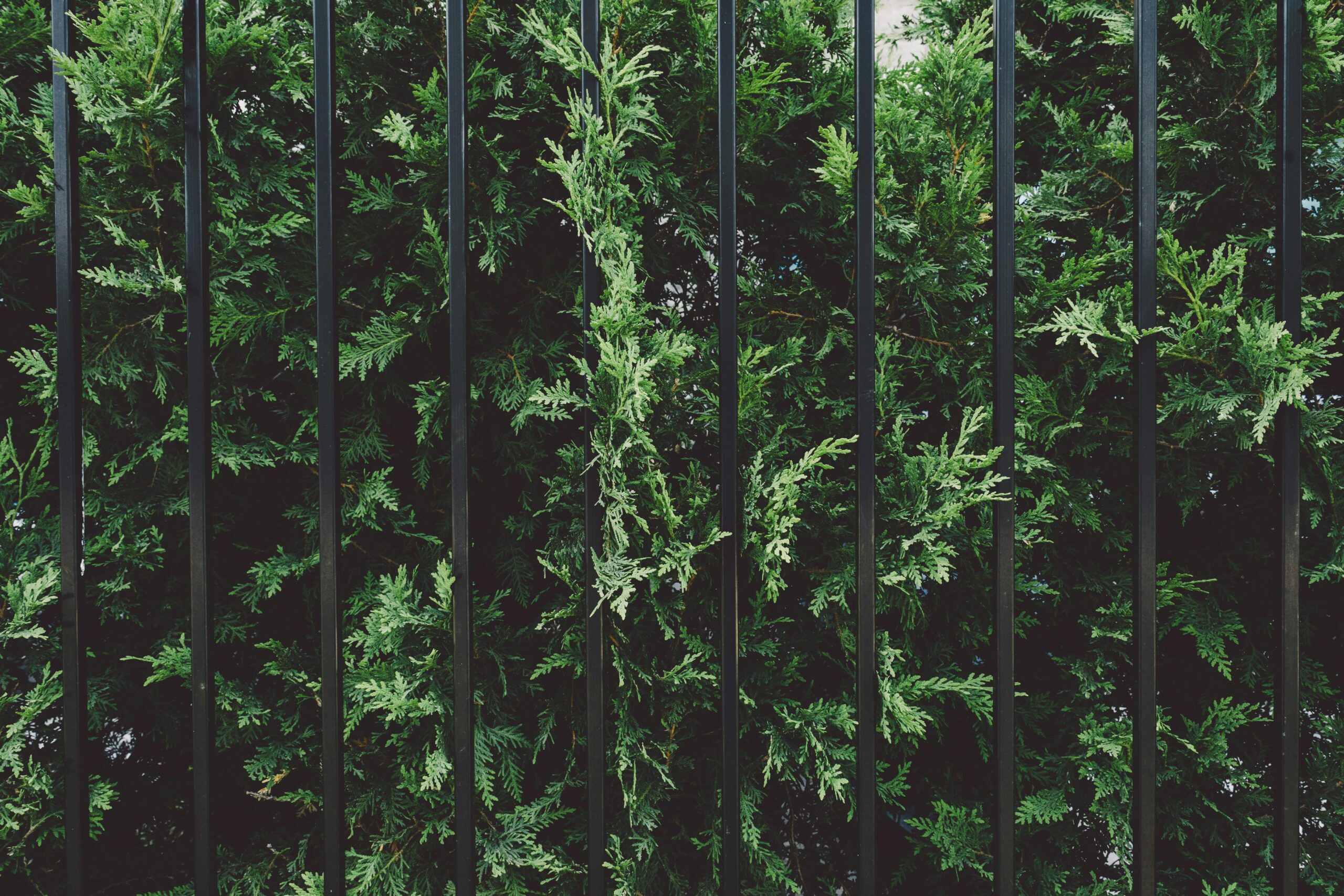
Vertical gardens and living façades have evolved from experimental concepts to mainstream architectural features in cities across the globe. This transformation reflects a growing recognition that traditional horizontal green spaces alone cannot meet the environmental and health needs of densely populated urban areas. By utilizing vertical surfaces—building walls, facades, fences, and other structures—cities can dramatically increase their green coverage without requiring additional land, a precious commodity in metropolitan environments.
The concept of vertical greening isn’t entirely new. Historical examples include the hanging gardens of ancient civilizations and vine-covered buildings in Mediterranean regions. However, contemporary vertical gardens employ sophisticated technologies, specialized growing systems, and carefully selected plant species to create thriving ecosystems on building surfaces. French botanist Patrick Blanc pioneered modern vertical garden techniques in the 1980s, developing systems that allow plants to grow without soil, using hydroponic or aeroponic methods that deliver nutrients directly to plant roots.
Different Types of Vertical Greening Systems
Understanding the various approaches to vertical greening helps cities and property owners select the most appropriate solutions for their specific contexts. Green facades typically involve climbing plants growing directly on walls or on supporting structures like trellises, cables, or mesh systems. These require soil at ground level and rely on plants’ natural climbing abilities. Living walls, by contrast, are more complex systems where plants grow in modular panels or continuous textile layers attached to structural supports, with integrated irrigation and nutrient delivery systems.
Each system offers distinct advantages. Green facades are generally more cost-effective and easier to maintain but take longer to achieve full coverage. Living walls provide immediate visual impact and can be installed at any height but require more sophisticated irrigation systems and higher initial investment. Hybrid approaches combine elements of both, offering flexibility in design and functionality.
🏙️ Environmental Benefits Reshaping Urban Ecosystems
The environmental advantages of vertical gardens and living façades extend far beyond their visual appeal. These green installations function as active ecological systems that directly address some of the most pressing environmental challenges facing modern cities. Research has consistently demonstrated their effectiveness in improving urban environmental quality through multiple mechanisms operating simultaneously.
Air Quality Improvement and Pollution Reduction
Vertical gardens serve as natural air filters, capturing particulate matter and absorbing harmful pollutants from the atmosphere. Plant leaves trap dust, pollen, and other airborne particles on their surfaces, while stomata absorb gaseous pollutants including nitrogen dioxide, sulfur dioxide, and carbon monoxide. Studies have shown that living walls can reduce particulate matter concentrations by 20-40% in their immediate vicinity, creating cleaner breathing zones in polluted urban environments.
The photosynthetic process occurring in vertical gardens also contributes to carbon sequestration, though at a smaller scale than forests. A square meter of living wall can absorb approximately 2.3 kilograms of carbon dioxide annually while producing oxygen, contributing to urban carbon footprint reduction. When implemented at scale across multiple buildings in a district, these effects compound to create measurable improvements in overall air quality.
Urban Heat Island Mitigation
Cities typically experience temperatures 2-5°C higher than surrounding rural areas due to the urban heat island effect, caused by heat-absorbing surfaces like concrete and asphalt. Vertical gardens combat this phenomenon through evapotranspiration—the process by which plants release water vapor through their leaves—which cools the surrounding air. Additionally, the vegetation layer insulates building surfaces, reducing heat absorption and thermal radiation.
Research conducted in multiple cities has demonstrated that buildings with living façades can experience surface temperature reductions of up to 10°C compared to conventional walls. This cooling effect extends into adjacent streets and public spaces, creating more comfortable microclimates in dense urban areas. During summer months, this translates directly into reduced energy consumption for air conditioning, generating economic savings while decreasing greenhouse gas emissions from power generation.
Stormwater Management and Water Quality
Vertical greening systems contribute significantly to urban stormwater management by capturing and retaining rainwater in their growing media and plant tissues. This retention capacity helps reduce runoff during rain events, alleviating pressure on urban drainage systems and reducing flood risk. Living walls can retain 50-70% of rainfall they receive, releasing it slowly through evapotranspiration over subsequent days.
Furthermore, the biological processes occurring within vertical gardens filter and purify water, removing pollutants before they enter stormwater systems. This natural filtration improves water quality and reduces the contamination of rivers, lakes, and other water bodies receiving urban runoff.
💚 Health and Wellbeing Benefits for Urban Residents
Beyond environmental improvements, vertical gardens and living façades generate substantial health and wellbeing benefits for people living and working in cities. The presence of vegetation in urban environments has been extensively studied, revealing profound effects on physical health, mental wellbeing, and social cohesion.
Mental Health and Psychological Benefits
Exposure to green spaces and natural elements has well-documented positive effects on mental health. Studies show that viewing vegetation reduces stress levels, lowers blood pressure, and decreases cortisol concentrations. In urban environments where access to parks may be limited, vertical gardens bring nature to eye level, making these benefits accessible to more people throughout their daily routines.
The biophilic design principle—incorporating natural elements into built environments—recognizes humans’ innate connection to nature. Vertical gardens satisfy this biological need for natural contact, improving mood, enhancing cognitive function, and increasing productivity in workplace settings. Research in office environments has found that workers with views of living walls report higher job satisfaction and lower stress levels compared to those in spaces without green elements.
Physical Health Improvements
The air quality improvements generated by vertical gardens directly benefit respiratory health, particularly for vulnerable populations including children, elderly people, and those with pre-existing respiratory conditions. Reduced exposure to air pollutants decreases the incidence of asthma attacks, respiratory infections, and cardiovascular problems associated with poor air quality.
The cooling effects of vertical gardens also reduce heat-related health risks during increasingly common urban heat waves. By creating cooler microclimates, living façades help prevent heat exhaustion, heat stroke, and other heat-related illnesses that disproportionately affect elderly and economically disadvantaged urban populations.
🏗️ Smart Technologies Enhancing Vertical Garden Performance
The integration of smart technologies is transforming vertical gardens from passive green installations into intelligent, responsive systems that optimize their environmental performance while minimizing maintenance requirements. These technological advances are making vertical greening more practical, efficient, and accessible for widespread urban implementation.
Automated Irrigation and Nutrient Delivery Systems
Modern living walls incorporate sophisticated irrigation systems with sensors that monitor soil moisture, temperature, humidity, and light levels. These systems automatically adjust water and nutrient delivery based on real-time conditions, ensuring optimal plant health while conserving resources. Smart irrigation reduces water consumption by 30-50% compared to conventional systems, addressing concerns about water use in urban vertical gardens.
Advanced systems connect to weather forecasts and adjust irrigation schedules accordingly, reducing watering before predicted rainfall. Some implementations incorporate greywater recycling systems that purify and reuse building wastewater for irrigation, further enhancing sustainability.
Performance Monitoring and Data Analytics
Internet-of-Things (IoT) sensors embedded in vertical gardens collect continuous data on environmental parameters, plant health, and system performance. This data feeds into analytics platforms that identify trends, predict maintenance needs, and quantify environmental benefits. Building managers can access this information through mobile applications, enabling proactive maintenance and demonstrating return on investment through documented energy savings and environmental improvements.
Some advanced systems use artificial intelligence to analyze plant health through image recognition, identifying disease or stress symptoms before they become visible to human observers. This early detection capability helps maintain the aesthetic quality and environmental functionality of vertical gardens over their lifespan.
🌍 Global Success Stories and Urban Applications
Cities worldwide have implemented impressive vertical garden projects that demonstrate the potential of living façades to transform urban landscapes. These examples provide valuable insights and inspiration for municipalities considering similar initiatives.
Singapore: A Pioneer in Vertical Greening
Singapore has emerged as a global leader in vertical greening, incorporating living walls and sky gardens into its vision of becoming a “City in a Garden.” The city-state’s policies mandate green features in new developments, resulting in hundreds of buildings featuring vertical gardens. The iconic Gardens by the Bay project showcases how technology and nature can merge, while numerous residential and commercial buildings throughout the city demonstrate practical applications of living façades in tropical climates.
Europe’s Green Building Movement
European cities have embraced vertical greening as part of comprehensive sustainability strategies. Paris features numerous notable living walls, including Patrick Blanc’s installation at the Musée du Quai Branly, which covers 800 square meters with over 15,000 plants representing 150 species. Milan’s Bosco Verticale (Vertical Forest) residential towers incorporate 900 trees and thousands of smaller plants on balconies, creating vertical forests that house bird species and insects while improving air quality for residents.
North American Innovations
Cities across North America are incorporating vertical gardens into urban renewal projects. Vancouver’s green building codes encourage living walls, while San Francisco and New York have seen increasing adoption in both commercial and residential developments. These installations demonstrate that vertical greening can succeed in diverse climates and architectural contexts.
🔧 Implementation Challenges and Practical Solutions
Despite their numerous benefits, vertical gardens face several challenges that must be addressed to facilitate wider adoption. Understanding these obstacles and available solutions helps cities and property owners make informed decisions about vertical greening projects.
Initial Investment and Economic Considerations
The upfront costs for living walls remain higher than conventional façades, potentially deterring adoption. However, comprehensive lifecycle cost analyses reveal that energy savings, increased property values, extended building material lifespan, and reduced stormwater management costs often offset initial investments over 10-15 years. Financial incentives, including green building certifications, tax benefits, and utility rebates, can improve economic viability and accelerate payback periods.
Maintenance Requirements and Long-term Sustainability
Living walls require ongoing maintenance including irrigation system management, plant replacement, pruning, and pest control. Developing maintenance protocols and training specialized personnel are essential for long-term success. Selecting appropriate plant species adapted to local conditions and the specific microclimate of each installation reduces maintenance intensity. Native and drought-tolerant species generally require less intervention while providing better habitat value for local wildlife.
Technical Expertise and Knowledge Gaps
Successful vertical garden implementation requires collaboration between multiple disciplines including horticulture, architecture, engineering, and urban planning. Many cities lack professionals with specialized expertise in living wall design and installation. Addressing this knowledge gap through training programs, professional certifications, and information-sharing networks helps build local capacity for vertical greening projects.
🚀 Future Directions: Innovation and Integration
The future of vertical gardens and living façades promises exciting developments as technologies advance and understanding of their benefits deepens. Several emerging trends point toward even greater integration of vegetation into urban built environments.
Edible Vertical Gardens and Urban Agriculture
Growing interest in local food production is driving development of vertical farming applications on building façades. Edible vertical gardens produce herbs, vegetables, and fruits in urban locations, reducing food transportation distances and providing fresh produce to city residents. These systems can incorporate aquaponics, combining fish farming with plant cultivation in closed-loop systems that maximize resource efficiency.
Biodiversity and Ecological Corridors
Future vertical gardens will increasingly focus on biodiversity benefits, serving as habitat for pollinators, birds, and beneficial insects. Strategic placement of living walls can create vertical ecological corridors connecting fragmented urban green spaces, supporting wildlife movement through cities. Plant selection will prioritize native species that provide food and shelter for local fauna, transforming buildings into active participants in urban ecosystems.
Integration with Renewable Energy Systems
Emerging designs combine vertical gardens with solar panels and wind turbines, creating multifunctional façades that generate energy while providing greening benefits. The cooling effects of vegetation actually improve solar panel efficiency, demonstrating how multiple sustainable technologies can work synergistically. These integrated systems represent the future of truly sustainable building design.
🌟 Creating Greener Cities Through Collective Action
Transforming urban landscapes through vertical gardens and living façades requires coordinated efforts from multiple stakeholders. Municipal governments can encourage adoption through building codes, incentive programs, and demonstration projects on public buildings. Architects and developers must incorporate vertical greening into design processes from early planning stages rather than as afterthoughts.
Community engagement and education play crucial roles in building public support for green infrastructure investments. When residents understand the tangible benefits of vertical gardens—cleaner air, cooler temperatures, enhanced aesthetics, and improved wellbeing—they become advocates for greening initiatives in their neighborhoods.
The transition toward greener, healthier, and smarter cities represents one of the defining challenges of our era. Vertical gardens and living façades offer practical, scalable solutions that address environmental problems while enhancing urban quality of life. As technologies advance, costs decrease, and knowledge spreads, these green installations will become increasingly common features of urban landscapes worldwide, transforming concrete jungles into vibrant, living ecosystems where nature and urbanism coexist harmoniously for the benefit of all inhabitants.