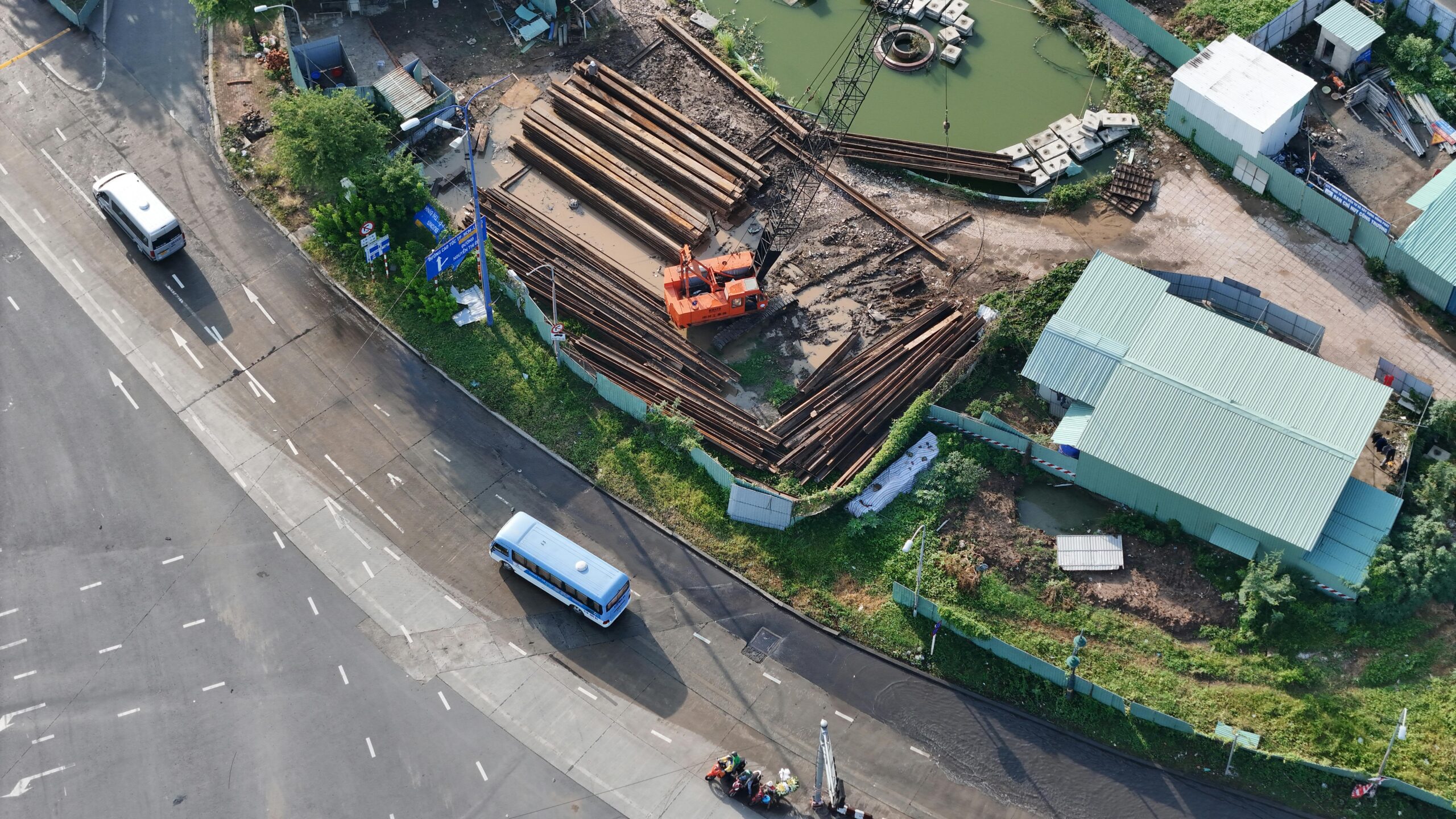
Modern cities face unprecedented challenges in managing resources, waste, and energy. The concept of circular urban metabolism offers a transformative approach to reimagining how metropolitan areas function, creating closed-loop systems that turn waste into valuable resources.

As urban populations continue to grow exponentially, traditional linear models of resource consumption—take, make, dispose—are proving unsustainable. Cities worldwide are discovering that circular economy principles can revolutionize urban infrastructure, creating regenerative systems that benefit both people and the planet while reducing environmental impact and operational costs.
🌍 Understanding Circular Urban Metabolism
Circular urban metabolism represents a fundamental shift in how we conceptualize city operations. Unlike traditional linear systems where resources flow in one direction—from extraction through consumption to disposal—circular metabolism creates interconnected loops where outputs from one system become inputs for another.
This biomimetic approach mirrors natural ecosystems where nothing goes to waste. In nature, decomposers break down organic matter, returning nutrients to the soil to fuel new growth. Cities adopting circular metabolism principles apply this same logic to water, energy, and waste management systems.
The concept encompasses three critical resource streams: water cycles that capture, treat, and reuse wastewater; energy systems that recover heat and generate power from organic waste; and material flows that transform discarded items into valuable secondary resources. When integrated effectively, these streams create synergies that multiply environmental and economic benefits.
💧 Transforming Urban Water Systems
Water represents one of the most critical resources in urban metabolism, yet conventional systems treat it as a one-way commodity. Progressive cities are implementing circular water strategies that dramatically reduce freshwater consumption while addressing wastewater challenges.
Integrated Water Management Solutions
Advanced water treatment technologies now enable cities to purify wastewater to potable standards. Singapore’s NEWater program exemplifies this approach, recycling treated wastewater through advanced membrane technologies and ultraviolet disinfection. This reclaimed water now meets approximately forty percent of the nation’s water needs, with plans to increase this proportion significantly.
Decentralized water systems are gaining traction in forward-thinking municipalities. These local treatment facilities process wastewater at neighborhood or building scales, reducing infrastructure costs and energy consumption associated with centralized treatment plants. The treated water can be reused for irrigation, toilet flushing, and industrial processes, creating closed-loop systems within communities.
Stormwater as Resource
Rather than viewing stormwater as a drainage problem, circular cities treat it as a valuable resource. Green infrastructure solutions like bioswales, permeable pavements, and rain gardens capture stormwater, allowing it to filter naturally through soil layers. This approach replenishes groundwater aquifers, reduces flood risks, and decreases the burden on treatment facilities.
Copenhagen’s climate adaptation plan demonstrates this principle at scale. The city has integrated blue-green infrastructure throughout urban spaces, creating parks that double as stormwater retention basins during heavy rainfall events. These multifunctional spaces enhance livability while managing water resources sustainably.
⚡ Closing Energy Loops in Urban Environments
Energy metabolism in circular cities focuses on reducing consumption, maximizing efficiency, and recovering waste energy. This holistic approach transforms cities from energy consumers into partial energy producers, creating resilient distributed energy networks.
Waste-to-Energy Innovations
Modern waste-to-energy facilities have evolved far beyond simple incinerators. Advanced thermal treatment technologies convert municipal solid waste into electricity and district heating with minimal emissions. These facilities recover metals from ash residues, ensuring materials remain in circulation rather than ending up in landfills.
Anaerobic digestion represents another powerful tool in the circular energy toolkit. Organic waste from households, restaurants, and food processing facilities undergoes bacterial decomposition in oxygen-free environments, producing biogas rich in methane. This renewable fuel can power vehicles, generate electricity, or supply cooking gas to communities.
Stockholm’s biogas program illustrates the potential of organic waste valorization. The city collects food waste separately, processes it through anaerobic digestion, and uses the resulting biogas to fuel public transportation. Approximately half of Stockholm’s buses now run on biogas, dramatically reducing carbon emissions from the transit system.
District Energy Networks
Circular energy systems often incorporate district heating and cooling networks that distribute thermal energy efficiently across neighborhoods. These systems recover waste heat from industrial processes, data centers, wastewater treatment plants, and even subway systems, redirecting it to heat buildings during winter months.
Helsinki has pioneered seasonal thermal energy storage, capturing excess summer heat in underground aquifers and retrieving it during cold winter periods. This innovative approach significantly reduces the city’s reliance on fossil fuels for heating, demonstrating how circular thinking can transform established infrastructure.
♻️ Revolutionizing Waste Management
In circular urban metabolism, the concept of waste essentially disappears. Materials maintain their value through continuous cycles of use, recovery, and remanufacturing. This paradigm shift requires comprehensive systems for collection, sorting, and processing diverse material streams.
Advanced Sorting and Material Recovery
Modern material recovery facilities employ artificial intelligence, robotics, and sensor technologies to sort mixed recyclables with unprecedented accuracy. Optical sorters identify different plastic polymers, separating them into distinct streams that can be recycled into high-quality secondary materials. This technological sophistication makes recycling economically viable while reducing contamination rates.
Cities implementing comprehensive source separation programs achieve remarkably high diversion rates. San Francisco’s zero waste initiative requires residents and businesses to separate materials into three streams: compostables, recyclables, and landfill waste. Combined with progressive policies and public education, the city diverts approximately eighty percent of discarded materials from landfills.
Construction and Demolition Materials
The construction sector generates massive material flows, yet much of this valuable resource historically ended up in landfills. Circular approaches treat buildings as material banks, carefully documenting components for future recovery and reuse. Building information modeling now incorporates end-of-life considerations, facilitating eventual disassembly and material circulation.
Amsterdam’s circular construction practices require developers to demonstrate how projects will minimize virgin material use and maximize recyclability. The city maintains digital material passports documenting building components, creating a registry of urban materials available for future projects. This systemic approach transforms the built environment into a dynamic resource reservoir.
🏙️ Integrated Urban Systems Design
The true power of circular urban metabolism emerges when water, energy, and waste systems integrate synergistically. These interconnections create cascading benefits that exceed the sum of individual interventions.
Industrial Symbiosis Ecosystems
Industrial symbiosis networks connect companies within geographic proximity, enabling waste from one operation to serve as feedstock for another. These mutually beneficial relationships reduce costs, minimize environmental impacts, and strengthen local economies.
The Kalundborg Symbiosis in Denmark exemplifies this concept at industrial scale. Power plants, refineries, pharmaceutical manufacturers, and other facilities exchange steam, cooling water, gases, and material byproducts through an intricate network of pipelines and partnerships developed over decades. This collaboration prevents millions of cubic meters of water consumption and reduces carbon emissions substantially.
Digital Technologies Enabling Circularity
Smart city technologies provide the data infrastructure necessary for optimizing circular systems. Internet-of-things sensors monitor resource flows in real-time, identifying inefficiencies and opportunities for improvement. Predictive analytics optimize collection routes, processing schedules, and distribution networks, maximizing system performance.
Blockchain technologies are emerging as powerful tools for tracking materials through supply chains, ensuring transparency and authenticity in circular economy transactions. These digital ledgers can verify recycled content claims, facilitate material marketplaces, and create accountability throughout product lifecycles.
📊 Measuring Success in Circular Cities
Quantifying progress toward circular urban metabolism requires comprehensive metrics that capture environmental, economic, and social dimensions. Traditional indicators focused solely on economic growth prove inadequate for evaluating circular system performance.
Material flow analysis tracks resource inputs and outputs across urban systems, revealing opportunities to close loops and reduce primary resource consumption. Cities adopting this methodology gain detailed insights into metabolic efficiency, identifying leverage points for intervention.
Circular economy indicators measure factors including recycling rates, renewable energy percentages, water reuse ratios, and waste-to-landfill volumes. Leading cities publish regular progress reports against circular economy targets, maintaining transparency and accountability while inspiring continuous improvement.
🚀 Overcoming Implementation Challenges
Despite compelling benefits, transitioning to circular urban metabolism faces significant barriers. Institutional inertia, regulatory frameworks designed for linear systems, and initial capital requirements present formidable challenges requiring strategic solutions.
Policy and Regulatory Frameworks
Governments play crucial roles in creating enabling environments for circular systems. Progressive procurement policies that prioritize recycled content, renewable energy, and circular design principles create demand for sustainable solutions. Extended producer responsibility regulations shift end-of-life management costs to manufacturers, incentivizing durable, repairable product design.
Building codes and zoning regulations often inadvertently obstruct circular innovations. Updating these frameworks to accommodate alternative water systems, distributed energy generation, and material recovery facilities within urban areas removes barriers to implementation.
Financing Circular Infrastructure
Circular projects frequently require substantial upfront investments despite delivering long-term savings and revenue generation. Innovative financing mechanisms including green bonds, public-private partnerships, and performance-based contracts help overcome capital barriers while distributing risks appropriately among stakeholders.
Valuing ecosystem services and environmental benefits in economic analyses presents circular solutions in their true light, accounting for avoided costs associated with pollution, resource depletion, and climate change impacts that conventional accounting methods ignore.
🌱 Social Dimensions of Urban Circularity
Successful circular urban metabolism extends beyond technical systems to encompass social behaviors, cultural values, and community engagement. Residents must understand, support, and actively participate in circular systems for them to achieve their full potential.
Education initiatives build awareness about resource flows, waste prevention, and individual roles in circular systems. Schools incorporating circular economy principles into curricula cultivate environmental literacy among future generations, creating cultural shifts that support long-term sustainability.
Circular economy transitions create employment opportunities in repair, remanufacturing, materials recovery, and urban agriculture sectors. These local jobs resist offshoring while providing meaningful work that contributes to community resilience and environmental health.
🔮 Future Trajectories for Circular Cities
As technologies advance and circular thinking becomes mainstream, urban metabolism will continue evolving. Emerging innovations promise to deepen circularity while addressing remaining challenges in resource management.
Vertical farming integrated with urban wastewater systems creates closed-loop food production within city limits. These facilities use treated wastewater for irrigation while recovering nutrients, reducing transportation emissions and enhancing food security simultaneously.
Advanced materials including biodegradable alternatives to conventional plastics and self-healing concrete minimize maintenance requirements while ensuring materials safely return to natural cycles at end-of-life. These innovations eliminate pollution concerns while maintaining performance characteristics.
Autonomous systems managing resource flows with minimal human intervention represent another frontier. Artificial intelligence coordinates complex circular networks, optimizing performance across interconnected systems in ways exceeding human capabilities.

🌟 Leading Examples Inspiring Global Change
Cities worldwide are pioneering circular approaches, providing blueprints for others to adapt and implement. These living laboratories demonstrate that circular urban metabolism delivers tangible results across diverse contexts and scales.
Amsterdam has established ambitious circular economy goals, aiming to halve virgin material consumption by 2030 and achieve full circularity by 2050. The city supports innovation through regulatory sandboxes, financial incentives, and collaborative platforms connecting businesses, researchers, and government agencies.
Tokyo’s sophisticated waste management infrastructure recovers valuable materials while generating energy from residual waste, achieving minimal landfill dependence. The city’s commitment to circular principles extends to hosting Olympic Games facilities designed for disassembly and material reuse.
These frontrunners prove that circular urban metabolism represents not merely an idealistic vision but a practical pathway toward resilient, sustainable cities. Their experiences provide valuable insights for municipalities beginning circular transitions, accelerating global progress toward regenerative urban systems.
The transformation toward circular urban metabolism requires coordinated action across government, business, civil society, and individual citizens. While challenges remain substantial, the environmental imperatives and economic opportunities driving this transition grow stronger daily. Cities embracing circular principles position themselves as competitive, livable, and sustainable communities prepared for future challenges while creating value from resources previously considered waste.