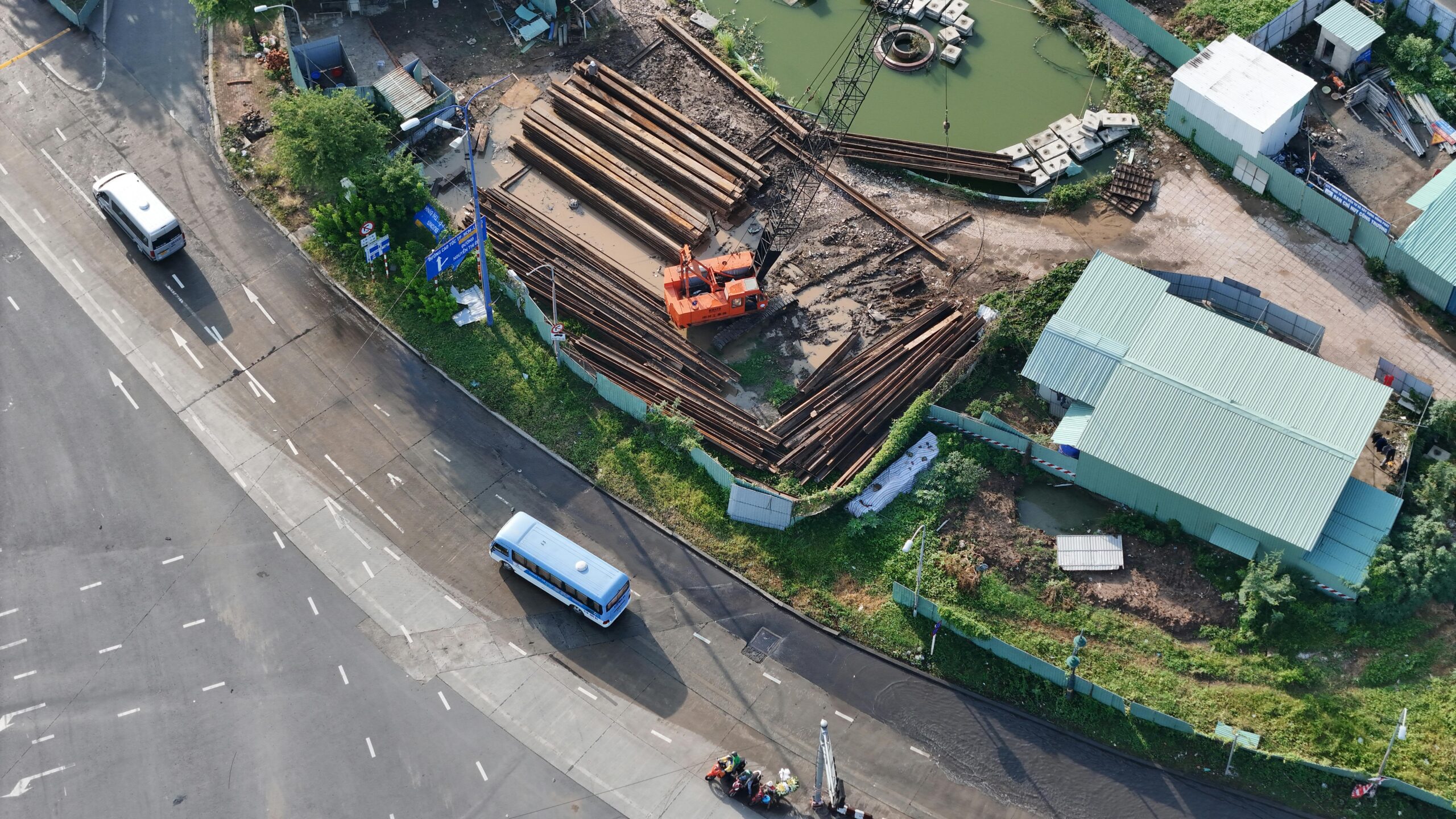
The construction industry stands at a pivotal crossroads where environmental responsibility meets innovative design. As climate change accelerates and natural resources dwindle, the urgent need for sustainable building practices has never been more apparent, pushing professionals and homeowners alike toward eco-friendly alternatives.

Traditional construction methods have long relied on materials that contribute significantly to carbon emissions, environmental degradation, and resource depletion. The shift toward bio-based and renewable construction materials represents not just an environmental imperative but also an economic opportunity that promises to reshape how we build our homes, offices, and communities for generations to come.
🌱 Understanding Bio-Based Construction Materials
Bio-based construction materials derive from living organisms, primarily plants, and offer remarkable advantages over conventional building products. These materials include timber, bamboo, hemp, straw, cork, mycelium, and various agricultural byproducts that would otherwise become waste. Their renewable nature means they can be replenished within a human lifetime, unlike petroleum-based products or mined minerals that take millions of years to form.
The carbon sequestration properties of bio-based materials distinguish them fundamentally from traditional alternatives. During growth, plants absorb atmospheric carbon dioxide through photosynthesis, effectively storing carbon within their cellular structure. When incorporated into buildings, this stored carbon remains locked away for the structure’s lifetime, transforming buildings from carbon emitters into carbon sinks.
Biodegradability represents another crucial advantage. At the end of their service life, many bio-based materials can decompose naturally without releasing harmful toxins into the environment, contrasting sharply with synthetic materials that persist in landfills for centuries. This circular approach aligns perfectly with sustainable development goals and zero-waste initiatives gaining momentum worldwide.
Revolutionary Materials Transforming Construction Practices
Engineered Timber and Cross-Laminated Wood
Mass timber construction has emerged as a game-changing technology, enabling wooden structures to reach heights previously achievable only with steel and concrete. Cross-laminated timber (CLT), glued laminated timber (glulam), and laminated veneer lumber (LVL) provide exceptional strength-to-weight ratios while maintaining sustainability credentials. These engineered products utilize sustainably harvested wood, often from certified forests, ensuring responsible forestry practices support the supply chain.
Projects like the Mjøstårnet tower in Norway, standing at 85.4 meters with 18 stories, demonstrate timber’s capabilities in modern high-rise construction. Beyond structural applications, engineered timber offers excellent thermal performance, aesthetic appeal, and significantly reduced construction timelines compared to traditional concrete structures.
Bamboo: Nature’s Renewable Steel
Bamboo’s remarkable growth rate—some species grow up to one meter per day—combined with tensile strength exceeding many steel varieties, positions it as an extraordinary construction material. This grass species reaches maturity in just three to five years, compared to decades for hardwood trees, making it exceptionally renewable and sustainable.
Traditional bamboo construction techniques from Asian cultures are being reimagined with modern engineering principles. Treated bamboo products now meet international building codes, expanding applications from scaffolding and flooring to structural framing and innovative composite materials. The Green School in Bali, Indonesia, showcases bamboo’s architectural potential through stunning campus buildings constructed almost entirely from this versatile material.
Hemp and Agricultural Fiber Innovations
Hempcrete, a bio-composite material combining hemp hurds with lime binder, offers exceptional insulation properties, moisture regulation, and carbon negativity. The hemp plant absorbs more CO2 during growth than is emitted during hempcrete production and application, resulting in a net carbon-negative building material. Its breathability prevents moisture accumulation and mold growth, contributing to healthier indoor environments.
Other agricultural fibers including straw, flax, and rice husks are being transformed into insulation panels, structural boards, and composite materials. These innovations provide valuable outlets for agricultural waste streams while creating high-performance building products with minimal environmental impact.
🏗️ Renewable Materials Beyond Plant-Based Options
Mycelium: The Fungal Future
Mycelium, the root structure of mushrooms, represents one of construction’s most innovative frontiers. When combined with agricultural waste, mycelium grows into predetermined shapes, creating lightweight yet strong building components. After growth completion, heat treatment stops development, yielding fire-resistant, biodegradable materials suitable for insulation, acoustic panels, and even structural elements.
Companies pioneering mycelium technology are developing products that could revolutionize packaging, insulation, and interior finishes. The material’s ability to grow into complex shapes without molds or extensive manufacturing processes dramatically reduces production energy requirements and associated emissions.
Recycled and Upcycled Construction Materials
Circular economy principles emphasize keeping materials in use indefinitely through recycling and upcycling. Recycled steel, aluminum, glass, and increasingly, plastics, offer substantial environmental benefits compared to virgin material production. Reclaimed timber, brick, and stone combine sustainability with unique aesthetic character impossible to replicate with new materials.
Innovative companies are transforming waste streams into valuable construction products. Recycled plastic lumber, composite decking from reclaimed materials, and insulation from recycled denim or newspaper exemplify creative approaches to resource conservation while addressing waste management challenges.
Environmental and Economic Benefits Driving Adoption
The environmental case for bio-based and renewable materials extends far beyond carbon sequestration. Reduced embodied energy—the total energy consumed during material extraction, processing, manufacturing, and transportation—significantly lowers construction’s environmental footprint. Many bio-based materials require minimal processing, especially when sourced locally, further reducing energy consumption and transportation emissions.
Water conservation represents another critical benefit. Traditional cement production consumes vast quantities of water and contributes substantially to global CO2 emissions. Bio-based alternatives like hempcrete, rammed earth, and timber construction dramatically reduce water usage while eliminating cement-related emissions.
Economic advantages are increasingly compelling. As production scales and technology advances, many sustainable materials achieve price parity or even cost advantages compared to conventional alternatives. Reduced construction timelines with prefabricated timber systems lower labor costs and accelerate project completion. Enhanced energy efficiency translates to lower operational costs throughout building lifecycles, improving long-term return on investment.
Health benefits associated with natural materials attract growing attention. Improved indoor air quality results from non-toxic materials that don’t off-gas volatile organic compounds (VOCs) common in synthetic products. Natural materials’ ability to regulate humidity and temperature creates more comfortable, healthier indoor environments, potentially reducing healthcare costs and improving productivity.
⚙️ Overcoming Implementation Challenges
Building Codes and Regulatory Framework
Regulatory acceptance remains a significant hurdle for innovative materials. Building codes traditionally emphasize proven performance, creating barriers for newer materials lacking extensive testing data. Progressive jurisdictions are updating regulations to accommodate sustainable alternatives, but inconsistent standards across regions complicate widespread adoption.
Industry organizations, research institutions, and manufacturers collaborate to generate performance data, conduct fire testing, and establish standardized specifications. These efforts gradually build the evidence base necessary for regulatory approval and architect confidence in specifying alternative materials.
Supply Chain Development
Establishing reliable supply chains for emerging materials requires substantial infrastructure investment. Local sourcing maximizes environmental benefits and supports regional economies, but developing local production capacity demands coordination between farmers, processors, manufacturers, and distributors. Government incentives, industry partnerships, and patient capital investment facilitate this ecosystem development.
Skills and Knowledge Transfer
Construction professionals require training in new techniques and materials. Educational programs, workshops, and demonstration projects help builders, architects, and engineers gain confidence working with unfamiliar materials. Knowledge sharing through industry associations and online platforms accelerates learning and standardizes best practices.
🌍 Real-World Applications and Success Stories
Numerous projects worldwide demonstrate sustainable materials’ viability across building types and scales. The Bullitt Center in Seattle, often called the greenest commercial building in the world, incorporates FSC-certified wood, non-toxic materials, and renewable energy systems. Its success proves sustainable design achieves exceptional performance without compromising functionality or aesthetics.
Social housing projects increasingly embrace bio-based materials, delivering affordable, healthy homes with minimal environmental impact. The Lilac co-housing development in Leeds, UK, utilized ModCell’s prefabricated straw panels, creating highly insulated, carbon-negative homes at competitive costs. This project demonstrates how sustainable materials address housing affordability while advancing environmental goals.
Educational facilities worldwide showcase sustainable construction’s pedagogical value. Buildings constructed with visible natural materials educate occupants about environmental stewardship, creating living laboratories that inspire future generations toward sustainable practices.
Technology Integration and Future Innovations
Digital technologies accelerate sustainable material adoption through improved design tools, supply chain transparency, and performance monitoring. Building Information Modeling (BIM) enables architects to assess environmental impacts during design phases, optimizing material selection before construction begins. Life cycle assessment software quantifies embodied carbon, water usage, and other metrics, supporting informed decision-making.
Blockchain technology promises enhanced supply chain transparency, verifying sustainable sourcing claims and ensuring certified materials reach project sites. This traceability builds trust and prevents greenwashing, strengthening sustainable material markets.
Artificial intelligence and machine learning optimize material composition, predicting performance characteristics and identifying ideal combinations of bio-based ingredients for specific applications. These technologies accelerate development cycles, bringing innovative materials to market faster.
🎯 Policy Frameworks Supporting Sustainable Construction
Government policies profoundly influence construction material choices through building codes, procurement requirements, and financial incentives. Carbon pricing mechanisms make high-emission materials less economically attractive, while subsidies and tax credits reduce financial barriers to sustainable alternatives. Public procurement policies requiring sustainable materials in government projects create guaranteed demand, encouraging manufacturers to scale production.
Several European countries mandate life cycle carbon assessments for new buildings, forcing consideration of embodied carbon alongside operational emissions. These policies drive material innovation and reward low-carbon solutions. Similar frameworks are emerging globally as nations strengthen climate commitments.
Green building certification systems like LEED, BREEAM, and Living Building Challenge incentivize sustainable material use through point systems and requirements. These frameworks educate markets, standardize evaluation criteria, and recognize exemplary projects, accelerating industry transformation.
Community Engagement and Social Dimensions
Sustainable construction extends beyond environmental benefits to encompass social equity and community development. Local material sourcing creates employment in rural areas, supporting agricultural diversification and economic resilience. Training programs in sustainable construction techniques provide career pathways, particularly benefiting communities transitioning from declining industries.
Participatory design processes involving community members in material selection and building design foster ownership and ensure projects meet local needs. Traditional building knowledge from indigenous communities offers valuable insights into climate-appropriate, locally-sourced materials refined over generations. Integrating this wisdom with modern technology creates culturally relevant, sustainable solutions.
Looking Toward a Regenerative Future
The evolution from sustainable to regenerative design represents construction’s next frontier. Rather than merely minimizing harm, regenerative approaches actively improve environmental and social conditions. Buildings become ecosystems that purify air and water, enhance biodiversity, and regenerate surrounding landscapes. Bio-based materials form the foundation for this transformation, enabling buildings to function as living systems integrated with natural cycles.
Material passports documenting building components facilitate future disassembly and reuse, eliminating waste concepts entirely. Designing for deconstruction ensures materials circulate indefinitely through multiple lifecycles, maximizing resource efficiency. This circular approach transforms construction from a linear, extractive process into a regenerative system aligned with natural principles.
Emerging materials like living concrete infused with bacteria that repair cracks, self-healing mycelium composites, and algae-based products that actively clean air hint at extraordinary possibilities. These innovations blur boundaries between buildings and nature, creating structures that adapt, respond, and contribute positively to surrounding ecosystems.

🌟 Taking Action: Practical Steps Forward
Individuals, organizations, and governments all play crucial roles in accelerating sustainable material adoption. Homeowners can specify reclaimed, recycled, or bio-based materials for renovations and new construction. Supporting companies committed to sustainable practices through purchasing decisions sends powerful market signals encouraging broader industry transformation.
Architects and designers should educate themselves about alternative materials, experiment with small applications, and advocate for sustainable specifications with clients. Sharing experiences through publications, presentations, and social media builds collective knowledge and inspiration.
Policymakers must update building codes, create supportive incentive structures, and lead by example through public project requirements. Investment in research, demonstration projects, and supply chain development accelerates market maturation and technology improvement.
The transition to bio-based and renewable construction materials represents far more than technical substitution. It embodies a fundamental reimagining of humanity’s relationship with the built environment and natural world. By choosing materials that regenerate, sequester carbon, and eventually return harmlessly to earth, we construct not just buildings but a sustainable legacy for future generations. The knowledge, technology, and materials exist today to build this better future—what remains is the collective will to make it reality.