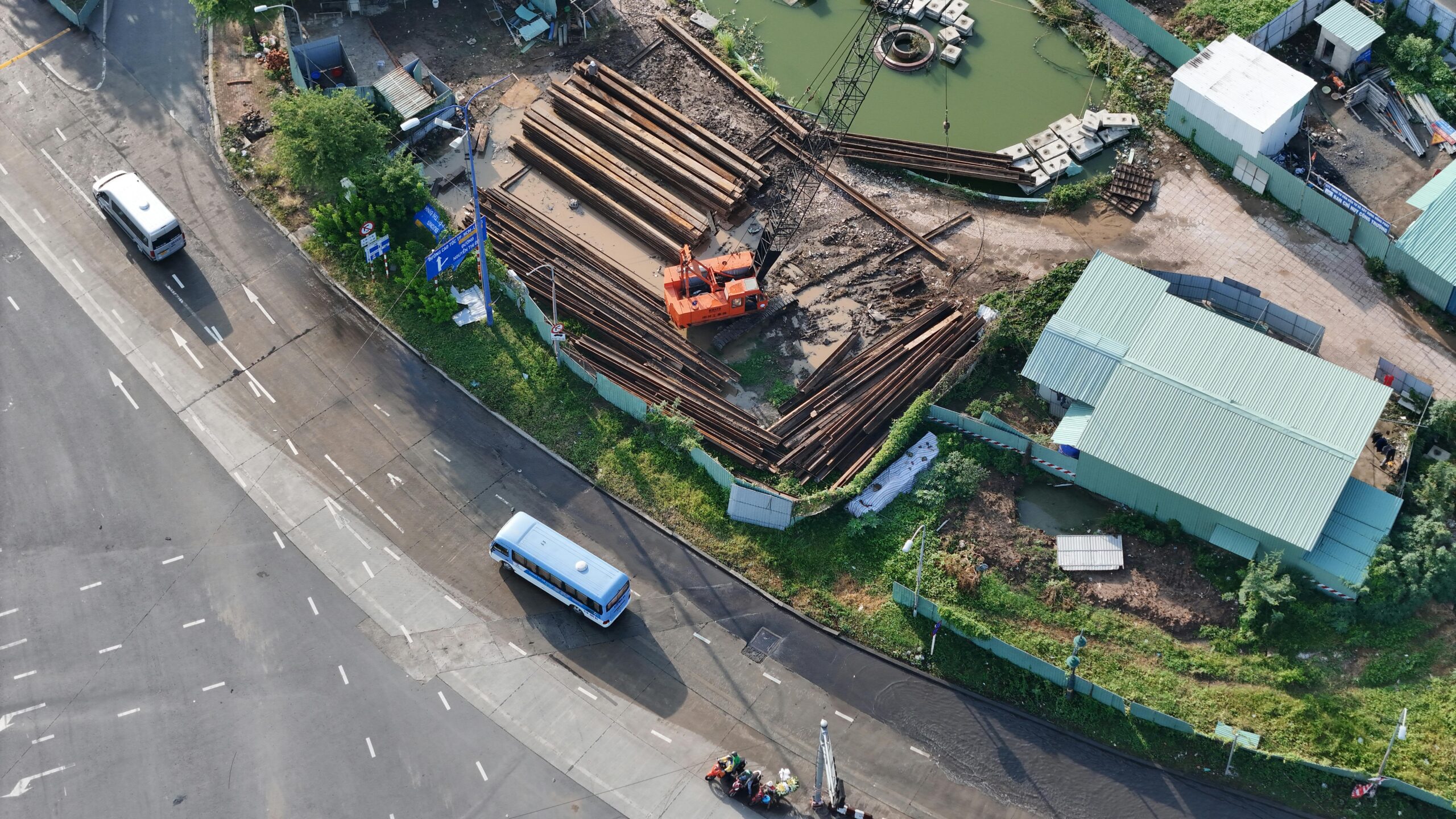
The built environment accounts for nearly 40% of global carbon emissions, making the construction industry a critical frontier in the fight against climate change. As architects and designers grapple with this reality, a revolutionary approach is gaining momentum: designing for disassembly and reuse.

This paradigm shift challenges the traditional “cradle-to-grave” mentality that has dominated architecture for centuries. Instead of constructing buildings meant to last forever in their original form, we’re now exploring how structures can evolve, adapt, and ultimately provide materials for future projects. This approach doesn’t just reduce waste—it fundamentally reimagines our relationship with the buildings we create.
🏗️ Understanding Design for Disassembly: More Than Just Deconstruction
Design for Disassembly (DfD) represents a holistic approach to architecture that considers a building’s entire lifecycle from the initial sketch. Unlike conventional construction methods that prioritize permanence and integration, DfD emphasizes reversibility, modularity, and material recovery. Every connection, every joint, and every material choice is made with eventual deconstruction in mind.
The concept originated in industrial design and manufacturing, where product designers began creating items that could be easily taken apart for repair, upgrade, or recycling. Applying these principles to architecture requires a fundamental shift in thinking. Buildings are no longer static monuments but dynamic assemblies of components that can be reconfigured, relocated, or repurposed.
This approach involves several key strategies. First, mechanical connections replace chemical bonds wherever possible—bolts instead of adhesives, screws instead of welds. Second, standardized components and dimensions facilitate material reuse across different projects. Third, clear documentation ensures future builders understand how to safely disassemble structures decades after initial construction.
The Circular Economy Connection
DfD serves as architecture’s gateway to the circular economy, where materials flow in continuous loops rather than following linear paths from extraction to landfill. In this model, buildings become “material banks”—temporary arrangements of valuable resources that will eventually supply future construction projects. This perspective transforms how we value building materials, shifting focus from initial cost to long-term resource value.
🌍 Environmental Imperatives Driving the Shift
The urgency behind adopting DfD principles becomes clear when examining construction and demolition waste statistics. Globally, the building sector generates approximately 35% of all waste, with traditional demolition sending millions of tons of potentially valuable materials to landfills annually. This waste represents not just lost resources but also the embodied energy and carbon invested in producing those materials.
Embodied carbon—the greenhouse gas emissions associated with material extraction, manufacturing, transportation, and construction—accounts for a substantial portion of a building’s lifetime environmental impact. By designing for material reuse, architects can significantly reduce these upfront emissions. A steel beam used in three successive buildings over 150 years effectively divides its embodied carbon by three, dramatically improving its environmental profile.
Water consumption, habitat destruction, and resource depletion associated with raw material extraction further amplify the environmental case for DfD. Every reused component is one less item demanding virgin resources from increasingly strained ecosystems.
⚙️ Core Principles and Practical Implementation
Successfully implementing DfD requires adherence to several fundamental principles that guide every decision from conceptual design through construction documentation.
Material Selection and Specification
Choosing appropriate materials forms the foundation of any DfD strategy. Durable, non-toxic materials that maintain their properties through multiple use cycles are ideal. Single-material components simplify future sorting and recycling, while composite materials—particularly those bonded with adhesives—create complications for reuse and recycling.
Timber, steel, and certain engineered wood products excel in DfD applications due to their durability and ease of mechanical connection. Concrete presents challenges but can be specified in prefabricated modules connected through dry joints rather than poured-in-place methods that create inseparable assemblies.
Connection Methods That Enable Reversibility
The heart of DfD lies in connection details. Every junction between building components should facilitate non-destructive disassembly. This means:
- Bolted connections instead of welded or glued joints
- Mechanical fasteners accessible for removal without specialized equipment
- Standardized fastener types to minimize tool requirements
- Exposed connections that reveal how assemblies fit together
- Layered assembly sequences that allow systematic deconstruction
These connection strategies often align with prefabrication and modular construction methods, creating synergies between DfD goals and construction efficiency objectives.
Documentation and Information Management
A building designed for disassembly requires comprehensive documentation that endures throughout its lifecycle. Material passports—digital records detailing every component’s specifications, origin, and disassembly instructions—ensure future builders can effectively recover materials. Building Information Modeling (BIM) platforms increasingly incorporate lifecycle data, creating three-dimensional databases that track materials from installation through eventual recovery.
🏛️ Pioneering Projects Showing the Way
Around the world, innovative architects and developers are demonstrating DfD principles in compelling built examples. These projects prove that designing for disassembly doesn’t require aesthetic compromise or functional limitation.
The Circular Building in London serves as a prominent example, constructed almost entirely from borrowed and reusable materials. Its developers tracked every component in a digital system, with predetermined plans for material recovery when the building eventually comes down. The structure’s lease agreement actually includes provisions for systematic disassembly rather than demolition.
In the Netherlands, the Park 20|20 development showcases buildings conceived as material depositories. Facades, structural elements, and interior components can be individually removed and reinstalled elsewhere. The project’s financial model even accounts for residual material values, treating building components as assets that retain value over time.
Social housing projects in Belgium have pioneered reversible building systems that allow apartments to expand, contract, or reconfigure as resident needs change. This adaptability extends building lifespans by accommodating functional evolution without major renovation waste.
💡 Economic Considerations and Business Models
The financial case for DfD extends beyond environmental benefits. While initial design and documentation may require additional investment, multiple economic advantages emerge throughout a building’s lifecycle.
Construction Cost Factors
DfD-oriented construction often aligns with prefabrication strategies that reduce on-site labor costs and construction timeframes. Standardized components purchased in volume can offer price advantages over custom-fabricated elements. However, specialized connection systems and higher-quality materials may increase upfront costs compared to conventional construction.
The economic equation shifts dramatically when considering lifecycle costs. Buildings designed for adaptation require less expensive renovations when functions change. Maintenance becomes simpler when components can be easily accessed and replaced. End-of-life costs transform from demolition expenses to potential material recovery revenues.
Material Banking and Asset Value
Progressive financial models treat buildings as material banks with quantifiable asset values beyond real estate considerations. Steel, copper, aluminum, and other materials retain significant value that can be calculated into building valuations. Some developers now include material recovery values in project proformas, recognizing that systematic deconstruction can generate revenue rather than incur disposal costs.
Emerging material marketplace platforms facilitate buying and selling recovered building components, creating liquid markets for reused materials that previously lacked formal trading mechanisms. This infrastructure development supports DfD by ensuring reliable outlets for recovered materials.
🚧 Overcoming Implementation Barriers
Despite its advantages, DfD faces several obstacles that slow widespread adoption. Understanding these challenges is essential for developing strategies to overcome them.
Regulatory and Code Compliance Issues
Building codes developed around conventional construction methods sometimes create unintentional barriers to DfD approaches. Fire separation requirements may favor continuous assemblies over modular systems. Structural calculations may not adequately account for mechanical connections that equal or exceed welded equivalents in performance. Energy code compliance may be more straightforward with conventional construction than with innovative assembly methods.
Progressive jurisdictions are beginning to update regulations, creating pathways for alternative compliance and recognizing DfD principles in building codes. However, regulatory evolution typically lags behind design innovation.
Skills and Knowledge Gaps
Architecture education traditionally emphasizes design aesthetics and building performance but rarely addresses material lifecycle considerations or disassembly planning. Construction workers trained in conventional methods may lack familiarity with reversible connection systems. This skills gap requires targeted education and training initiatives across the building industry.
Market Perception and Client Education
Many clients and developers remain unfamiliar with DfD concepts or question whether such approaches can deliver the quality and performance they expect. Overcoming this skepticism requires compelling case studies, transparent cost-benefit analyses, and direct experience with successful projects.
🔮 Technological Innovations Accelerating Progress
Emerging technologies are rapidly expanding possibilities for DfD implementation and material tracking throughout building lifecycles.
Digital fabrication tools enable precise manufacturing of components designed for specific connections and eventual disassembly. Computer numerical control (CNC) cutting creates complex joinery that facilitates mechanical connections without compromising structural performance or aesthetic quality.
Material tracking technologies including RFID tags, QR codes, and blockchain-based systems create permanent digital records linked to physical components. These systems ensure accurate information persists throughout material lifecycles, enabling confident reuse decades after initial installation.
Artificial intelligence algorithms can optimize material specifications for reuse potential, analyzing vast databases of material properties and connection methods to identify optimal combinations for specific project requirements and disassembly goals.
🌟 Design Excellence and Aesthetic Possibilities
A common misconception suggests that designing for disassembly requires aesthetic compromise or results in industrial-looking buildings lacking architectural sophistication. Leading practitioners are definitively disproving this notion.
Exposed connections and modular systems can become compelling design features rather than elements to conceal. The honest expression of how buildings fit together carries aesthetic power, revealing structural logic and material authenticity that resonates with contemporary design values.
Prefabricated components designed for eventual reuse can achieve remarkable precision and finish quality, often exceeding what’s possible with conventional site-built construction. Factory-controlled conditions enable exacting tolerances and consistent quality while supporting disassembly-friendly connection methods.
Adaptable buildings that accommodate changing functions through reconfigurable layouts often prove more interesting architecturally than static structures. The design challenge of creating spaces that work effectively in multiple configurations stimulates creative solutions that enrich architectural outcomes.
🤝 Collaborative Approaches and Integrated Design
Successfully implementing DfD requires unprecedented collaboration among project stakeholders from earliest design phases through construction and beyond. The traditional sequential design process—architect to engineer to contractor—must evolve into truly integrated teamwork.
Early contractor involvement brings construction expertise into design development, ensuring connection details are practically buildable and economically viable. Structural engineers working alongside architects from project inception can develop efficient systems that serve both performance and disassembly requirements. Material suppliers engaged early can provide crucial information about component specifications and reuse potential.
This collaborative approach extends to building users and facility managers, whose insights about operational needs and maintenance challenges inform designs that remain functional and adaptable throughout long service lives.
📊 Measuring Success and Impact
Quantifying DfD benefits requires metrics that extend beyond conventional building assessment frameworks. Several measurement approaches are gaining traction:
- Material circularity indicators tracking the percentage of reused, recyclable, and renewable materials
- Embodied carbon calculations accounting for material reuse scenarios
- Disassembly scores rating how easily buildings can be deconstructed
- Adaptability assessments measuring functional flexibility potential
- Material value retention calculations estimating residual asset worth
These metrics help designers optimize projects for circularity while providing clients with quantifiable sustainability benchmarks that extend beyond operational energy performance.

🌱 Building a Sustainable Future Together
The transition toward designing for disassembly and reuse represents more than a technical evolution in construction methods. It embodies a fundamental philosophical shift about our relationship with the built environment and our responsibility to future generations.
Buildings conceived as temporary arrangements of valuable materials rather than permanent monuments align architecture with broader sustainability imperatives. This perspective acknowledges that today’s structures will eventually outlive their original purposes, and planning for that inevitability from the beginning creates opportunities rather than waste.
The path forward requires coordinated action across multiple fronts. Educational institutions must integrate circular economy principles and DfD methodologies into architecture and engineering curricula. Policymakers should update building codes and create incentives for material reuse. Industry organizations must develop standards facilitating material documentation and marketplace development. Clients and developers need exposure to successful examples demonstrating DfD viability.
Most importantly, individual designers, engineers, and builders must embrace these principles in daily practice, making conscious choices that prioritize material recovery and reuse. Each project designed with disassembly in mind contributes to a growing inventory of recoverable building materials and demonstrates proven approaches that others can follow.
The buildings we create today will shape physical landscapes and resource availability for decades or centuries. Designing them as material banks rather than permanent monuments represents an investment in resilience, sustainability, and possibility. This approach doesn’t reject durability or quality—it enhances both by enabling buildings to evolve with changing needs while preserving material value for future use.
As climate imperatives intensify and resource constraints tighten, designing for disassembly will transition from progressive innovation to standard practice. The pioneers implementing these approaches today are not just creating better buildings—they’re establishing frameworks for how we’ll construct our shared future. By embracing reversibility, modularity, and material stewardship, architecture can transform from a major contributor to environmental degradation into a regenerative force that sustains both human communities and planetary ecosystems for generations to come.