The architectural landscape is experiencing a profound transformation as designers blend natural forms with cutting-edge technology. This convergence creates spaces that breathe with organic vitality while harnessing the precision of computational design, reshaping how we inhabit built environments.

Hybrid architecture represents more than aesthetic novelty—it embodies a philosophical shift toward designs that honor biological intelligence while embracing digital capabilities. This fusion addresses contemporary challenges including sustainability, adaptability, and human well-being, establishing new paradigms for 21st-century construction.
🌿 The Origins of Organic-Digital Synthesis
The marriage between nature-inspired design and digital innovation traces its roots to pioneering architects who recognized the limitations of purely geometric approaches. Frank Lloyd Wright’s organic architecture philosophy laid conceptual groundwork, emphasizing harmony between human habitation and natural environments. However, technological constraints limited the complexity achievable in translating organic principles into built form.
The digital revolution fundamentally altered these possibilities. Parametric design software, computational modeling, and advanced fabrication techniques enabled architects to simulate natural processes with unprecedented accuracy. Suddenly, the intricate geometries found in seashells, tree branching patterns, and cellular structures became architecturally feasible.
Contemporary practitioners now leverage algorithms that mimic evolutionary processes, optimizing designs through iterative digital generations. This biomimetic approach doesn’t merely copy nature’s appearance—it replicates the underlying logic governing natural systems, resulting in structures that exhibit organic efficiency and adaptability.
Digital Tools Unlocking Natural Complexity 🔧
Generative design platforms have emerged as essential instruments in hybrid architecture. These systems allow designers to input performance criteria—structural integrity, energy efficiency, material constraints—and generate solutions that organic systems might evolve over millennia. The results often surprise their creators, revealing configurations human intuition alone wouldn’t conceive.
Building Information Modeling (BIM) extends beyond traditional drafting, creating dynamic digital twins that simulate how designs perform across varied conditions. Architects test how light filters through bio-inspired facades throughout seasons, how air circulates through spaces mimicking respiratory systems, and how structures respond to environmental stresses using principles observed in natural resilience.
Artificial intelligence and machine learning further amplify these capabilities. Neural networks trained on natural patterns can propose structural solutions that balance competing demands—load distribution, material economy, aesthetic coherence—in ways that honor both engineering requirements and organic beauty.
Fabrication Technologies Bridging Concept and Reality
Digital fabrication techniques transform conceptual hybrid designs into physical reality. Robotic manufacturing systems execute complex geometries with precision impossible through conventional construction methods. Multi-axis milling machines carve intricate organic forms from diverse materials, while large-scale 3D printing builds entire structural components layer by layer.
Additive manufacturing particularly excels at realizing biologically-inspired designs. The technology’s freedom from traditional manufacturing constraints—no need for molds or formwork—makes it ideal for producing the irregular, optimized geometries characteristic of natural structures. From lattice frameworks mimicking bone density distribution to facades replicating leaf venation patterns, 3D printing materializes organic complexity efficiently.
Biomimicry as Design Philosophy 🦎
True hybrid architecture extends beyond superficial organic aesthetics, embracing biomimicry’s deeper lessons. Nature represents billions of years of research and development, testing solutions to challenges that buildings also face: structural efficiency, climate regulation, resource conservation, and adaptive response to changing conditions.
Termite mounds inspire passive cooling systems that maintain comfortable temperatures without mechanical HVAC systems. The Eastgate Centre in Harare, Zimbabwe, demonstrates this principle through a ventilation strategy modeled on these insect structures, reducing energy consumption dramatically compared to conventional buildings of similar scale.
Lotus leaves inform self-cleaning building surfaces through their nano-structured hydrophobic properties. Facades incorporating these principles shed water and contaminants naturally, reducing maintenance requirements while maintaining appearance. The Mercedes-Benz Museum in Stuttgart features such biomimetic cladding, demonstrating practical application of natural strategies.
Structural Systems Learning from Nature
Skeletal structures throughout the animal kingdom exhibit remarkable strength-to-weight ratios through hierarchical organization and strategic material placement. Bones aren’t uniformly dense—they concentrate mass where stresses concentrate, creating lightweight yet robust frameworks. Digital structural optimization algorithms now replicate this logic, generating building frames that minimize material use while maximizing performance.
Spider silk’s exceptional tensile strength relative to its mass inspires advanced composite materials and tensile structures. Research into silk’s molecular architecture informs development of synthetic fibers and cable systems that achieve similar performance characteristics, enabling lighter, more efficient structural solutions for long-span applications.
Responsive Environments and Adaptive Systems 🌡️
Nature’s genius lies partly in dynamic responsiveness—organisms continuously adjust to environmental fluctuations. Hybrid architecture increasingly incorporates this adaptive quality through kinetic systems controlled by digital sensors and actuators, creating buildings that actively respond to occupant needs and external conditions.
The Al Bahar Towers in Abu Dhabi feature a facade inspired by the Islamic mashrabiya tradition, reinterpreted through contemporary technology. Computer-controlled panels open and close in response to sun position, reducing solar heat gain while maintaining daylight access. This marriage of cultural heritage, natural principles, and digital control exemplifies hybrid architecture’s potential.
Smart materials blur boundaries between static structure and dynamic organism. Shape-memory alloys change configuration with temperature variations, phase-change materials absorb and release thermal energy to stabilize interior climates, and electrochromic glazing adjusts transparency based on lighting needs. These technologies enable buildings to exhibit lifelike responsiveness previously unimaginable.
Integrating Living Systems
The ultimate organic-digital fusion involves literal integration of living biological systems within architectural frameworks. Green walls and roofs extend beyond aesthetic greening to provide measurable environmental services: air purification, thermal insulation, stormwater management, and biodiversity support.
Digital systems optimize these living components’ performance through precision irrigation controlled by soil moisture sensors, lighting systems supplementing natural photosynthesis, and nutrient delivery calibrated to plant requirements. The result transforms buildings into productive ecosystems that actively contribute to environmental health rather than merely minimizing negative impact.
Bioreactor facades cultivate microalgae within building skins, simultaneously generating biomass for energy production while providing dynamic shading. The BIQ House in Hamburg pioneered this approach, demonstrating how buildings might become active participants in biological cycles through digitally-managed living systems.
Sustainability Through Hybrid Thinking 🌍
Environmental imperatives drive much hybrid architecture innovation. Buildings account for significant global energy consumption and carbon emissions—addressing this requires fundamental rethinking of design approaches. Organic-digital fusion offers pathways toward genuinely sustainable architecture through efficiency gains inspired by natural systems and enabled by digital optimization.
Computational fluid dynamics modeling reveals how wind moves through and around structures, enabling designs that harness natural ventilation effectively. Digital energy modeling predicts thermal performance under various scenarios, allowing designers to refine building envelopes for optimal efficiency. These tools help achieve passive environmental control strategies that minimize reliance on energy-intensive mechanical systems.
Material selection benefits from lifecycle analysis software that quantifies environmental impacts across extraction, manufacturing, transportation, installation, operation, and eventual disposal or recycling. This comprehensive perspective encourages choices aligned with circular economy principles, reducing waste and resource depletion.
Regenerative Design Ambitions
Progressive practitioners push beyond mere sustainability toward regenerative architecture that actively improves environmental conditions. This ambition requires systems thinking characteristic of ecological design combined with technological capabilities for measurement, monitoring, and management.
Net-positive buildings generate more energy than they consume, treating structures as productive infrastructure rather than passive shelters. Achieving this requires integrating photovoltaic systems, wind harvesting, geothermal exchange, and other renewable technologies within architecturally coherent expressions—a design challenge requiring both artistic vision and engineering precision.
Water-positive buildings capture, treat, and reuse precipitation and greywater, potentially generating surplus for surrounding landscapes. Digital control systems manage complex treatment processes and distribution networks, ensuring water quality while maximizing resource efficiency.
Human Experience in Hybrid Spaces 🧘
Architecture ultimately serves human needs—physical comfort, psychological well-being, social connection, and inspiration. Hybrid approaches enhance these dimensions by creating environments that resonate with innate human preferences for natural patterns while providing technological conveniences that support contemporary life.
Biophilic design research demonstrates measurable benefits from incorporating natural elements and patterns in built environments: reduced stress, improved cognitive function, faster healing, and enhanced productivity. Hybrid architecture delivers these advantages through both literal natural integration—plants, water, natural light—and abstract applications of organic geometries and proportions that digital tools facilitate.
Fractal patterns ubiquitous in nature—visible in coastlines, mountain ranges, tree branching, and countless other forms—create visual interest at multiple scales. Research suggests humans find these patterns inherently engaging and psychologically restorative. Parametric design tools enable architects to embed fractal complexity in facades, spatial layouts, and structural expressions, enriching experiential quality.
Balancing Technology and Humanity
Successful hybrid architecture avoids technological fetishism, ensuring digital capabilities serve human needs rather than dominating experience. The most compelling examples render sophisticated systems invisible, allowing occupants to engage naturally with spaces that simply feel right—intuitively comfortable, visually satisfying, functionally supportive.
Acoustic design benefits from computational modeling that predicts sound behavior in complex geometries, enabling organically-shaped performance venues and contemplative spaces with exceptional sonic qualities. Digital fabrication produces custom acoustic treatments that simultaneously address functional requirements and aesthetic aspirations, dissolving boundaries between engineering and art.
Lighting design leverages digital control to orchestrate artificial illumination that complements and extends natural daylight patterns, supporting human circadian rhythms while creating atmospheric variety throughout spaces. Organic forms modulate light quality through curvature and texture, producing the subtle gradations and dynamic play characteristic of natural environments.
Cultural Expression and Identity 🎨
Hybrid architecture offers rich opportunities for cultural expression by reinterpreting traditional forms, materials, and spatial concepts through contemporary technologies. This approach honors heritage while demonstrating its continued relevance and evolutionary potential, avoiding both nostalgic pastiche and rootless universalism.
Indigenous building traditions often exhibit sophisticated climatic responsiveness developed through generations of empirical observation. Contemporary architects increasingly study these vernacular precedents, extracting underlying principles and amplifying them through digital tools. The result respects cultural wisdom while achieving performance levels meeting current standards.
Regional materials and craft techniques find new applications through digital design and fabrication. Computational design generates complex patterns achievable through traditional methods—masonry, timber joinery, textile arts—but with enhanced precision and efficiency. This synthesis preserves craft knowledge while demonstrating economic viability for contemporary contexts.
Educational and Professional Implications 📚
Hybrid architecture demands expanded competencies from practitioners. Traditional architectural education emphasizing formal composition, construction fundamentals, and cultural history remains essential but requires supplementation with computational literacy, ecological understanding, and systems thinking.
Parametric design proficiency has become foundational rather than specialized. Understanding algorithmic logic, data structures, and scripting enables architects to shape design tools rather than merely operating them, opening creative possibilities unavailable through standard software interfaces. Educational programs increasingly integrate computational design throughout curricula rather than treating it as optional specialization.
Interdisciplinary collaboration intensifies as projects incorporate biological knowledge, materials science, environmental engineering, and data analytics alongside architectural expertise. Successful practitioners cultivate communication skills that bridge disciplinary languages, facilitating productive teamwork across diverse knowledge domains.
Challenges and Future Trajectories 🚀
Despite exciting possibilities, hybrid architecture faces significant obstacles. Initial costs for advanced design software, specialized consultants, and novel fabrication techniques can exceed conventional approaches, creating adoption barriers particularly for smaller projects and resource-constrained contexts. Demonstrating long-term value through operational savings and enhanced performance helps justify investments but requires client education and risk tolerance.
Building codes and regulatory frameworks often lag technological innovation, creating approval challenges for unconventional systems and materials. Progressive jurisdictions develop performance-based codes that evaluate outcomes rather than prescribing specific methods, accommodating innovation while maintaining safety standards. Broader regulatory evolution remains necessary for hybrid approaches to achieve mainstream adoption.
Technical complexity introduces potential failure points requiring careful commissioning and ongoing management. Advanced systems demand knowledgeable operators for optimal performance—a consideration sometimes underestimated during design phases. Training facility management personnel and establishing maintenance protocols proves essential for realizing hybrid architecture’s full potential across building lifespans.
Emerging Technologies Expanding Possibilities
Continued advancement in materials science promises increasingly sophisticated hybrid solutions. Self-healing concrete containing bacteria that precipitate calcium carbonate to seal cracks mimics biological wound repair, extending infrastructure longevity while reducing maintenance. Transparent wood combines natural material’s renewable qualities with optical clarity rivaling glass, opening new facade possibilities.
Augmented and virtual reality technologies transform design processes, allowing architects and clients to inhabit spaces before construction, evaluating experiential qualities difficult to assess through conventional representations. These tools facilitate design refinement and stakeholder communication, reducing costly changes during construction phases.
Internet of Things sensors and distributed computing enable buildings to learn from operational experience, continuously optimizing performance based on actual usage patterns rather than theoretical assumptions. Machine learning algorithms identify efficiency opportunities and anticipate maintenance needs, making buildings increasingly intelligent over time.
Redefining Architectural Practice 💡
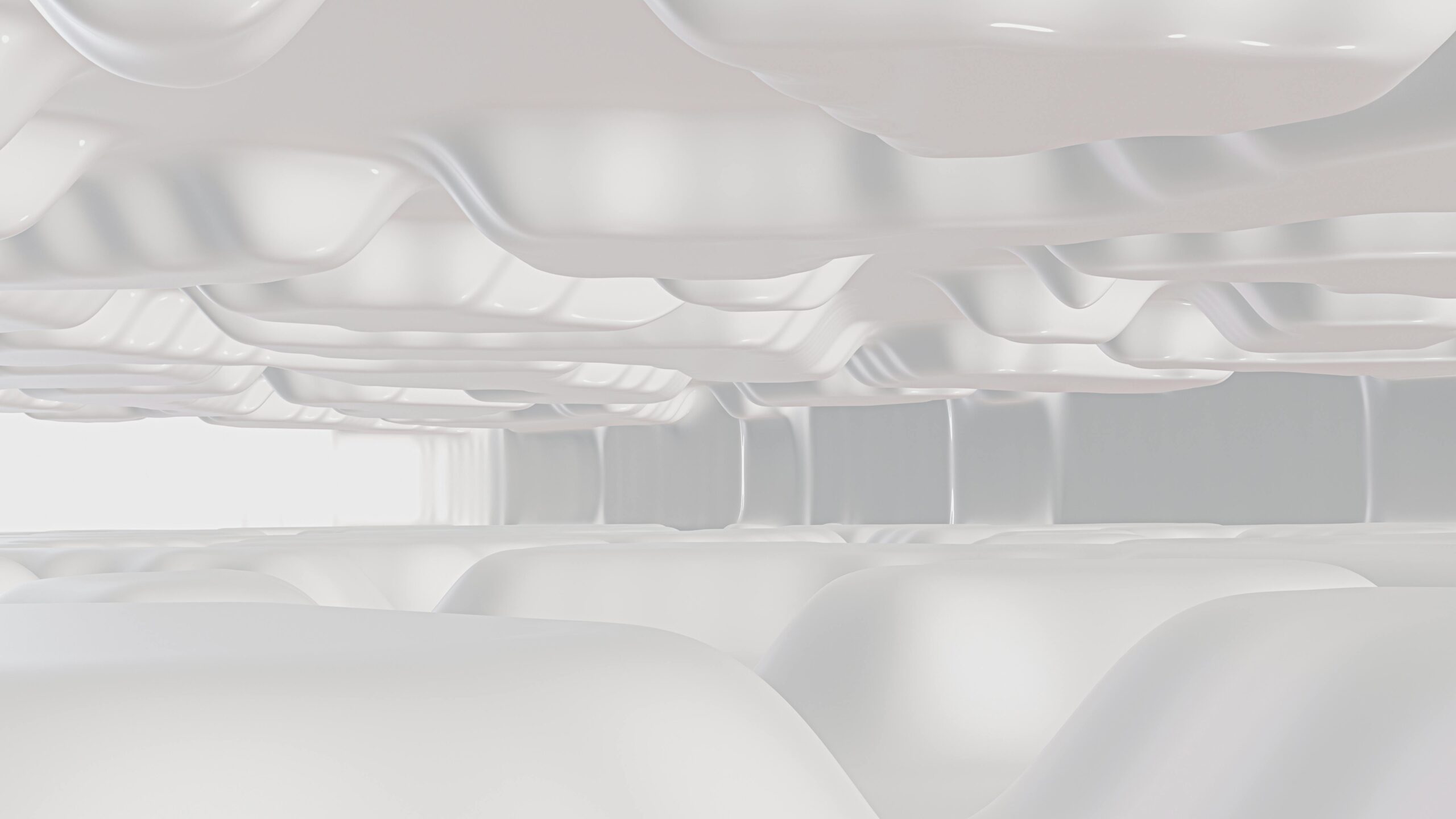
Hybrid architecture represents more than technical innovation—it embodies evolving understanding of architecture’s purpose and potential. Rather than imposing geometric abstractions upon landscapes, it seeks reciprocal relationships between built and natural environments, leveraging technology to achieve integration previously unattainable.
This paradigm shift challenges conventional professional boundaries, positioning architects as orchestrators of complex systems rather than solely form-givers. Success requires humility—recognizing nature’s wisdom accumulated over evolutionary timescales—alongside ambition to extend human creative capabilities through digital tools.
The fusion frontier continues expanding as computational power grows, material science advances, and ecological urgency intensifies. Projects emerging today merely hint at possibilities that next generations will realize, as organic inspiration and digital innovation converge toward architecture that truly lives, breathes, and evolves alongside its inhabitants and environments.
For practitioners, educators, and clients willing to embrace complexity and uncertainty inherent in pioneering approaches, hybrid architecture offers profound opportunities: buildings that perform better, impact environments less, and inspire occupants more deeply than conventional alternatives. The journey requires courage to venture beyond established conventions, but rewards justify the risks through architecture that genuinely serves both human needs and planetary health.