Cities have long been centers of innovation, culture, and economic growth, yet they also carry a heavy environmental burden. The concept of regenerative cities offers a transformative vision where urban spaces not only minimize harm but actively restore and enhance the ecosystems they inhabit, creating net-positive impacts for both people and planet.

As urbanization accelerates globally, with projections suggesting nearly 70% of the world’s population will live in cities by 2050, the imperative to reimagine how we design, build, and operate urban environments has never been more urgent. Traditional sustainability approaches that aim to “do less harm” are no longer sufficient to address the scale of environmental challenges we face, from climate change to biodiversity loss and resource depletion.
🌱 Understanding the Regenerative Cities Paradigm
Regenerative cities represent a fundamental shift in urban thinking, moving beyond the limitations of sustainable development toward a proactive model that restores natural systems while supporting thriving human communities. This approach recognizes cities as living systems embedded within larger ecological contexts, rather than isolated built environments.
At its core, the regenerative cities framework embraces principles borrowed from natural ecosystems—circular resource flows, diversity, adaptability, and the integration of human activities with biological processes. Rather than extracting resources linearly and producing waste, regenerative urban systems create closed loops where outputs become inputs, mimicking nature’s zero-waste model.
The Net-Positive Vision
Net-positive urban development goes beyond carbon neutrality to create cities that generate more renewable energy than they consume, purify more water than they use, and support greater biodiversity than existed before development. This ambitious vision requires rethinking every aspect of urban planning, from building materials and energy systems to transportation networks and food production.
Examples of net-positive initiatives are emerging worldwide: Singapore’s Supertrees that collect rainwater and generate solar power while creating vertical gardens; Copenhagen’s commitment to carbon neutrality by 2025; and Melbourne’s urban forest strategy that aims to double tree canopy coverage, reducing urban heat while sequestering carbon and supporting wildlife.
🏗️ Reimagining Urban Infrastructure and Design
The physical transformation of cities toward regenerative models begins with infrastructure that works with nature rather than against it. Green infrastructure integrates natural processes into urban systems, providing multiple benefits simultaneously—stormwater management, air quality improvement, temperature regulation, and habitat creation.
Bioswales, green roofs, permeable pavements, and constructed wetlands transform how cities manage water, shifting from grey infrastructure that channels runoff into pipes toward systems that infiltrate, clean, and store water naturally. These living systems reduce flooding risks while recharging groundwater aquifers and creating beautiful public spaces.
Buildings as Living Systems
Regenerative architecture treats buildings not as static objects but as dynamic systems that interact positively with their surroundings. This includes using biomimetic design principles, selecting materials with low embodied energy and high recyclability, and incorporating living walls, passive heating and cooling, and integrated renewable energy generation.
The Bullitt Center in Seattle demonstrates these principles, producing more energy than it consumes through rooftop solar panels, capturing and treating all its water on-site, and using materials selected for health and environmental performance. Such buildings prove that net-positive construction is technically feasible and economically viable.
♻️ Circular Economy at Urban Scale
Regenerative cities embrace circular economy principles, transforming waste streams into valuable resources. This systemic approach redesigns products, services, and systems to eliminate waste, keep materials in use, and regenerate natural systems.
Amsterdam leads in circular city initiatives, with ambitious plans to become fully circular by 2050. The city focuses on construction, organic waste, and consumer goods, creating new business models around sharing, repair, remanufacturing, and materials passports that track building components for future reuse.
Urban Metabolism and Resource Flows
Understanding cities through the lens of urban metabolism—analyzing flows of energy, water, materials, and nutrients—reveals opportunities for creating closed loops and reducing external dependencies. Cities can capture nutrients from organic waste for urban agriculture, recover energy from wastewater treatment, and mine existing building stock for valuable materials.
- Decentralized energy generation through rooftop solar, building-integrated wind, and district heating systems
- Water recycling and greywater reuse to minimize freshwater extraction
- Composting programs and anaerobic digestion to transform organic waste into soil amendments and biogas
- Material banks and sharing platforms to extend product lifecycles and reduce consumption
- Local food production through urban farms, vertical agriculture, and edible landscapes
🚲 Regenerative Mobility and Connectivity
Transportation represents one of the largest environmental impacts of urban life, but regenerative approaches offer transformative alternatives. Cities worldwide are prioritizing walking, cycling, and public transit while reducing dependence on private vehicles, creating healthier, more livable urban environments.
Paris has implemented ambitious plans to become a “15-minute city” where residents can access essential services, work, and recreation within a quarter-hour walk or bike ride. This model reduces transportation emissions while strengthening local communities and supporting small businesses.
Electrification and Shared Mobility
The shift toward electric vehicles, when powered by renewable energy, dramatically reduces urban air pollution and greenhouse gas emissions. Combined with shared mobility models—car-sharing, bike-sharing, and ride-pooling—cities can reduce the number of vehicles needed while improving accessibility.
Oslo has become a global leader in electric mobility, with electric vehicles comprising over 50% of new car sales, supported by extensive charging infrastructure and incentives. The city pairs electrification with investments in cycling infrastructure and public transit, creating a comprehensive sustainable mobility system.
🌳 Nature-Based Solutions and Urban Biodiversity
Regenerative cities recognize that nature provides invaluable services—air and water purification, climate regulation, flood protection, and mental health benefits—while supporting biodiversity crucial for ecosystem resilience. Urban rewilding and nature-based solutions integrate ecological restoration into city planning.
The concept of “sponge cities” in China demonstrates how nature-based infrastructure can address flooding challenges. Cities like Wuhan and Shanghai are transforming hardscapes into permeable surfaces, creating wetlands and rain gardens that absorb and filter stormwater naturally, reducing flood damage while creating green amenities.
Urban Agriculture and Food Security
Growing food within cities shortens supply chains, reduces transportation emissions, provides fresh produce to urban residents, and reconnects people with food production. Rooftop gardens, vertical farms, community gardens, and edible landscapes transform underutilized spaces into productive ecosystems.
Detroit’s urban agriculture movement has converted thousands of vacant lots into productive gardens and farms, addressing food access issues while greening the city and creating employment. This grassroots transformation demonstrates how cities can turn challenges into opportunities for regeneration.
💡 Smart Technologies for Regenerative Urbanism
Digital technologies and data analytics enable cities to optimize resource use, predict maintenance needs, and engage citizens in regenerative practices. Smart grids balance renewable energy supply and demand, intelligent water systems detect leaks and manage distribution efficiently, and sensor networks monitor air quality and environmental conditions.
However, regenerative smart cities prioritize technology as a tool serving ecological and social goals rather than an end in itself. The focus remains on creating livable, equitable cities where technology enhances rather than replaces human connection with nature and community.
Digital Platforms for Community Engagement
Mobile applications and online platforms facilitate sharing economy initiatives, connect residents with local food producers, coordinate neighborhood composting programs, and enable citizen science projects that monitor urban biodiversity. These tools empower communities to participate actively in urban regeneration.
👥 Social Equity and Inclusive Regeneration
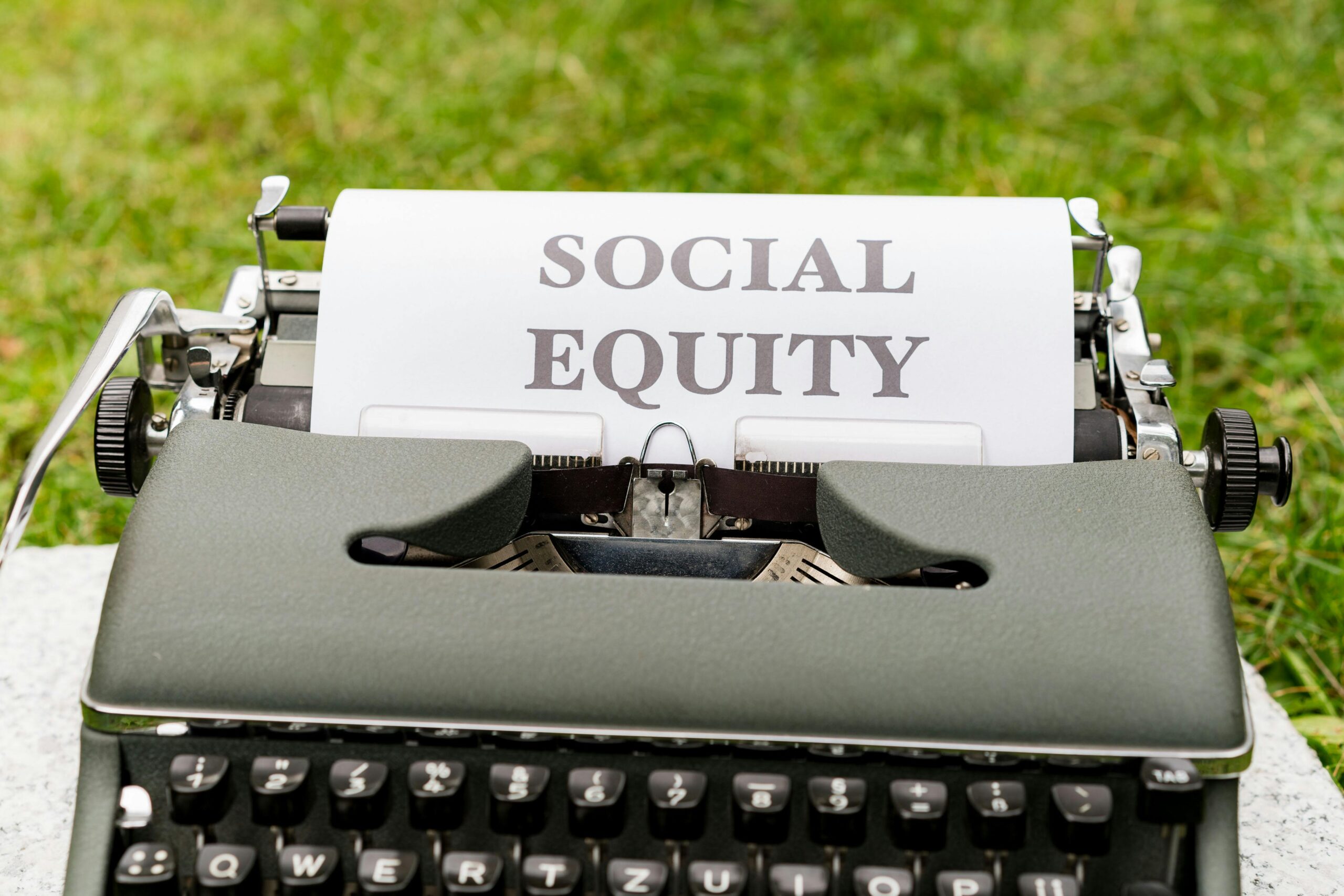
Truly regenerative cities must address social equity alongside environmental restoration. Green gentrification—where environmental improvements displace existing residents through rising property values—undermines regenerative goals. Inclusive approaches ensure that benefits reach all communities, particularly those historically marginalized and most vulnerable to environmental hazards.
Community-led regeneration projects give residents decision-making power over neighborhood improvements, ensuring developments reflect local needs and preserve cultural identity. Affordable housing policies, anti-displacement protections, and investments in underserved neighborhoods must accompany green infrastructure projects.
Health and Well-being at the Center
Regenerative urbanism prioritizes human health and well-being, recognizing connections between environmental quality and physical and mental health. Access to green space, clean air, safe mobility options, healthy food, and social connections forms the foundation of thriving communities.
Research consistently demonstrates that exposure to nature reduces stress, improves cognitive function, and supports physical health. Regenerative cities integrate nature throughout urban fabric, ensuring all residents benefit from these health-promoting environments regardless of income or neighborhood.
🌍 Governance and Policy Frameworks
Transforming cities toward regenerative models requires supportive policy frameworks, innovative governance structures, and cross-sector collaboration. Progressive cities are implementing comprehensive climate action plans, circular economy roadmaps, and green building standards that mandate rather than merely encourage regenerative practices.
Participatory budgeting empowers residents to direct public investments toward regenerative projects. Regulatory reforms remove barriers to innovative solutions like composting toilets, rainwater harvesting, and urban agriculture. Procurement policies prioritize circular products and regenerative materials, using government purchasing power to shift markets.
Finance and Investment Models
Financing regenerative urban transformation requires innovative approaches beyond traditional municipal budgets. Green bonds, public-private partnerships, community investment funds, and value capture mechanisms that return land value increases from public improvements to fund further regeneration all play roles.
Measuring returns on investment must expand beyond narrow financial metrics to include environmental and social returns—improved health outcomes, reduced disaster costs, enhanced property values, and ecosystem service benefits. Full-cost accounting that includes externalities makes regenerative investments economically compelling.
🔄 From Vision to Implementation: Pathways Forward
Transitioning existing cities toward regenerative models presents complex challenges but growing numbers of successful examples provide roadmaps. Change happens simultaneously at multiple scales—individual buildings, neighborhoods, city-wide systems, and regional ecosystems—with pilot projects demonstrating viability before broader implementation.
Barcelona’s superblocks program illustrates incremental transformation, reclaiming street space from cars for pedestrians, green infrastructure, and community activities, one neighborhood at a time. This modular approach allows testing, learning, and adaptation while building public support through visible improvements.
The Role of Education and Culture Shift
Ultimately, regenerative cities require cultural transformation in how we understand our relationship with nature and each other. Education programs that reconnect children with natural systems, public campaigns highlighting regenerative success stories, and participatory processes that engage residents in co-creating their neighborhoods all contribute to shifting mindsets.
Artists, designers, and storytellers play crucial roles in making regenerative futures imaginable and desirable. Creative placemaking that celebrates local ecology and culture helps communities envision and embrace transformation rather than resist change.

🚀 Accelerating the Regenerative Urban Transition
The urgency of climate crisis and ecological breakdown demands rapid acceleration of regenerative urban transformation. Cities hold tremendous power to drive change through their economic influence, innovation capacity, and direct control over planning and infrastructure. Networks like C40 Cities and ICLEI connect urban leaders worldwide to share best practices and accelerate implementation.
Every city faces unique contexts—geography, climate, culture, economic base—requiring tailored approaches rather than one-size-fits-all solutions. However, underlying principles of working with nature, creating circular systems, prioritizing equity, and building community resilience apply universally. Success requires bold vision combined with pragmatic implementation, long-term commitment paired with adaptive management.
The transition to regenerative cities represents one of humanity’s greatest opportunities—to create urban environments that support flourishing for all life while addressing the defining challenges of our time. As more cities embrace this vision and demonstrate its viability, momentum builds toward a truly net-positive urban future where cities become forces for restoration rather than extraction, healing rather than harm. The transformation is already underway; the question is how quickly we can accelerate it to meet the scale and urgency of our planetary crisis while creating the thriving, equitable communities we all deserve.